

Author name: Hussein.aboodi94@gmail.com

Best Chiropractor Near Me: 7 Essential Tips for Immediate Pain Relief
Blog

Best Chiropractor Near Me: 7 Essential Tips for Immediate Pain Relief

Dealing with back pain, muscle tension, or a nagging injury might make you think about visiting a chiropractor. But how do you find the best chiropractor nearby that fits your needs? With so many choices, it’s crucial to know what to consider when choosing a chiropractor. Throughout this article, we are going to see what one needs to do to find a good chiropractor near me and the things to consider for the best choice. We will also be talking about different treatments being offered by chiropractors, ranging from spinal adjustments all the way to deep tissue massages, and their role in treating issues such as ligamentum teres injuries. 1. Begin with Referrals and Recommendations The best chiropractor near me will first need recommendations from friends and relatives whom one trusts. Also, coworkers at work can be recommended. Recommendations from other healthcare professionals, like GPs, physiotherapists, or specialists, might also know something about a recommended chiropractor near me. Online review platforms like Google Reviews, social media, or chiropractic directories also bear patient testimonials to a large extent, and thus provide an avenue for better insight into the care provided by each of these chiropractors. Paying attention to these recommendations will help you find a practitioner with a solid reputation. 2. Check on Credentials and Experience Ligamentum teres Now, with the list of chiropractors at hand, the next thing you have to do is to verify their qualifications. In Australia, your chiropractor should be registered with AHPRA. You can check the website of AHPRA about the Chiropractor near me qualifications to see if they have a certification for practice. Experience is critical to the handling of specific conditions. If you are planning to treat chronic pain and injuries, such as a ligamentum teres injury, a rare but important problem linked with the hip joint, you should expect a richer set of skills and techniques from an experienced chiropractor, which will translate into better results.  3. A Holistic Approach towards Chiropractic Care: re Deep tissue massage Not every chiropractor offers the same amount and type of services. Some strictly focus on adjusting the spine, while others are more holistic: deep tissue massages, stretching exercises, and nutritional advice. When you’re picking out the best chiropractor near me, you should definitely factor in their mode of care. The most successful chiropractors tailor the treatment plan for each patient, considering not only the spinal alignment but also other factors, such as muscle tension, posture, and lifestyle. A chiropractor incorporating deep tissue massage into the general chiropractic manipulations is the best therapist to treat muscle tension or help recover from injury. Deep tissue massage focuses on deeper muscles and tissues for the alleviation of chronic tension, improving blood flow, and facilitating natural body healing. This treatment modality could make one enjoy considerable relief, especially for problems dealing with muscles and/or injuries concerning sports. 4. Ensure full consultation and assessment are carried out for back pain Back-Pain-Relief-2024-Effective-Chiropractic-Treatments A good chiropractor will always consult with and examine the patient before treatment. This generally consists of questions about one’s case history, symptoms, and health objectives. Some chiropractors will also conduct a physical examination that involves the spine, joints, and muscles. This consultation is important in devising a treatment plan suited to the patient’s needs, be it back pain management, a ligamentum teres injury, or relief of tension in the muscles. Also, if some questions concern the treatment process, expected results, and possible risks, don’t be timid to ask them during the initial consultation. A great chiropractor near me will be straightforward with the available options for treatment and will make one feel relaxed and informed. 5. Learn About the Chiropractor’s Techniquesin Chiropractic Care One needs to find a chiropractor who applies methods that one will be comfortable with. Common chiropractic practice involves spinal manipulation or adjustment, which entails the application of controlled force to the spine to enhance alignment and mobility. However, most chiropractors incorporate other techniques into their practice as well, including the following: Mobilisation is the soft alternative procedure of the spine that involves stretching and movement of joints. Trigger Point Therapy: Concremented pressure applied to individual points within the muscles themselves is used for the release of tension and therefore decreased pain. Instrument-Assisted Adjustments: These adjustments are made with specialised tools. Such instruments provide much greater specificity and comfort. You can also be treated with deep tissue massage for chiropractic care in case of a ligamentum teres injury or serious muscle pain. Ensure that you ask about the techniques your chiropractor specialises in and if they align with your treatment goals. 6. Observe Their Communication and Patient-Centred Care The success of any relationship, whether between patients and their caregivers, always rests on effective communication. While searching online for the best chiropractors near me, note how well the chiropractor listens to your concerns, answers your questions, and describes the treatment plan. You should feel at ease discussing your symptoms and be confident that your chiropractor has understood your needs. Another essential factor is patient-centred care. A good chiropractor near me will equally make the necessary custom changes that suit one’s circumstances and will not use a single approach for all. In simple words, for example, if you have back pain, they should further investigate what causes discomfort in your posture, with your spine, or even with strained muscles. For a ligamentum teres injury, the care would have to address the injured ligament as well as the involved muscles in that region.  7. Convenience of Location This may entail visiting the chiropractor several times, especially if one is in chronic pain or even injured. Getting a chiropractor whom one can easily reach may ease the process of managing and caring for your condition. As a matter of fact, searching through the ‘Chiropractor near me’ will limit the results to areas close enough to where you live or work, hence increasing the chances that you follow through with your treatment regimen, ensuring you attend all your appointments. Family
Tissue Massage vs Other Massages
Blog

5 Proven Benefits of Deep Tissue Massage vs Other Massages

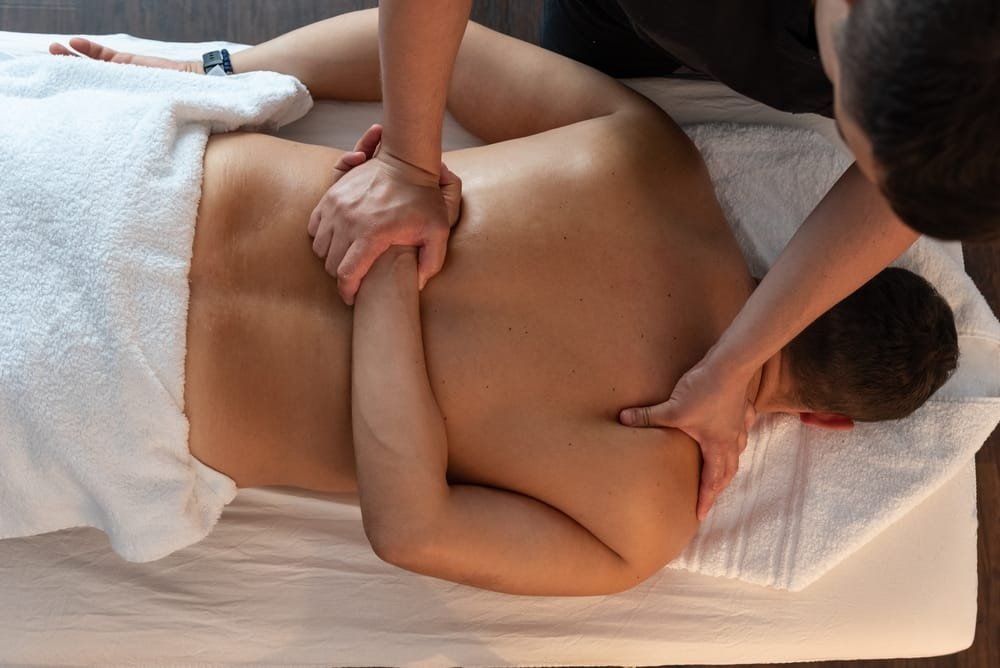
Tissue Massage vs Other Massages? Massage therapy has long been embraced globally as one of the most effective ways to relieve stress, ease pain, and improve overall well-being. With so many different techniques available, finding the right style to suit your needs can be a bit tricky. Depending on whether it is a muscle ache, injury rehabilitation, or just relaxation, the type of massage applied differs. This article will explore Deep Tissue Massage vs. other massage types, including Swedish and sports massage, to help you find the right option for your body. Understanding Deep Tissue Massage and chronic pain Deep tissue massage is a type of massage intended to relieve pain and tension in the deeper layers of muscles and connective tissues of the body. The goal, mainly, of the treatment is to relieve chronic patterns of tension and pain by using deep pressure to break up adhesions, which are areas of muscular knots in the muscle. These may result from stress, injury, or overuse, causing pain and restricting movement. Deep tissue massage is typically characterized by slower strokes and deeper pressure compared to other methods. It generally targets problem areas, such as the back, shoulders, or legs, for point application. It works perfectly for conditions like chronic pain, postural problems, and recovery from injuries, including strains and sprains. Since the intensity in this technique is greater, it is best suited for those who relieve muscle soreness, though not indicated if one is looking forward to relaxation. Benefits of Deep Tissue Massage for Lower Back Pain How Deep Tissue Massage Differs from Other Techniques In comparisons of deep tissue massage vs. other massage types, the depth and intensity of the applied pressure are often the most salient differences. Deep tissue massage focuses more on deeper layers of muscles and connective tissues, whereas other popular techniques, like Swedish massage, tend to be more superficial and geared towards general relaxation and wellness. Swedish Massage: The Classic Relaxation Technique Swedish massage is perhaps the best-known and most common massage technique in Australia and around the world. It involves long, flowing strokes, kneading, and circular movements superficially applied to muscles to achieve relaxation and decreased muscle tension. Lighter pressure is applied during Swedish massage as opposed to the techniques used in deep tissue massage; it generally tends more toward stress relief rather than injury or chronic pain treatment. Some of the massage benefits derived from Swedish massage include the following: For those seeking a milder and more soothing effect, Swedish massage can be a better treatment option when comparing deep tissue massage vs other massages. In the case of chronic pain or deeply seated problems with the muscles, Swedish massage can’t help in such situations. Sports Massage: Designed for Athletes Other popular options consist of sports massage therapy, which is designed for athletes and physically active individuals. The purpose of the sports massage is to prevent injuries, promote performance, and assist in recovery after a strenuous wworkout A sports massage may include the elements of both deep tissue and Swedish massage, depending on what the athlete requires. One of the most effective sports massages after exercise reduces muscle soreness and speeds up recovery time. It can be employed for helping to flush out metabolic waste, such as lactic acid, from muscles, reducing inflammation, and improving the range of motion. Besides these, sports massage has several general uses as a preventive measure before and after athletic events to maintain muscles limber and injury-free. Deep Tissue Massage vs Swedish and Sports Massages: Back Pain In the circle of deep tissue massage vs other massages, the main difference will be considering the purpose of the treatment and what results are achieved. The best example is the sports massage, which utilizes the techniques from both deep tissue and Swedish massage in a way to support athletes and active people. The aim is to induce the process of the muscle-healing process after certain injuries, prevent similar ones, and also to improve performance. It is very effective for relief from muscle soreness after workouts or competitions. Choosing the Right Massage for You Now, when you pit deep tissue massage against other forms of massage, consider your goals. Is it basic relaxation and stress relief that you need, or is it a treatment for chronic pain or muscle recovery? In case of doubt, as always advisable, one should consult an expert massage professional who will assess your needs and recommend the most appropriate technique for you. In the case of a person who has a specific muscle ache or posture problem, the deep tissue massage might be optimal. The sporting individual is able to prevent injury and speed up recovery thanks to a sports massage. If one’s goals are simply to relax and eliminate stress, Swedish massage might be just the thing. Conclusion Deep Tissue Massage vs. Other Massages really points out the significant differences in these various massage styles. While deep tissue massage targets the treatment of chronic pain and recovery from injury using high-impact pressure, Swedish massage and sports massage therapy address relaxation, overall health, and athletic performance. Each of these massage techniques caters to a different need, such as muscle relaxation, recovery after exercise, or simply relieving stress. Knowing the differences between them should, in effect, help you choose the right massage therapy that your body needs and what will be effective for your health.  

Clinical Pilates: 7 Powerful Benefits for Injury Recovery and Core Strength
Blog

Clinical Pilates: 7 Powerful Benefits for Injury Recovery and Core Strength

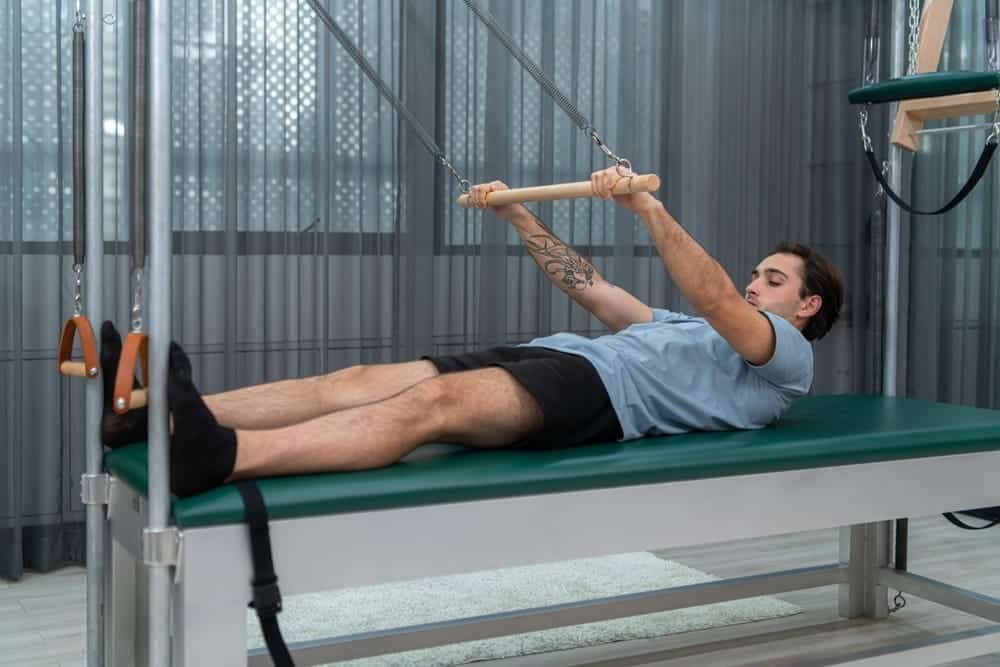
Clinical Pilates is fast gaining momentum across Australia as a therapeutic form of exercise that combines principles from traditional Pilates with physiological knowledge and skills. As such, it is appropriate for injury treatment and prevention and improvement of overall well-being. Clinical Pilates offers a broad range that best suits both the old and young of different fitness levels. Whether it be recovering from an injury, improving your posture, or even being interested in enhancing your flexibility and core strength, Clinical Pilates offers a structured and personalised approach toward such objectives. This article examines clinical Pilates benefits and its place in Pilates for injury recovery, core stability, among others. What is Clinical Pilates? The main difference between Clinical Pilates and normal Pilates is that it is led by trained physiotherapists. They adapt exercises to suit the individual needs and conditions, respectively. It encompasses a variety of exercises for enhancing strength, flexibility, posture, and mobility with a bias toward injury prevention and rehabilitation. Where classical Pilates is generally concerned with general health and flexibility, Clinical Pilates incorporates the same principles into treating conditions such as back pain, muscle imbalances, and postural problems. These exercises are significant in cases of athletes and in rehabilitation cycles, whether post-surgery or after a specific injury, in order for them to regain their strength safely and with control. Key Benefits of Clinical Pilates 1. Injury Recovery It is also among the most important clinical Pilates benefits that help in injury recovery, whether from sports, surgery, or simple wear and tear. Clinical Pilates offers a low-impact and safe mode of restoring movement and strength to the body without putting undue stress on it. Physiotherapists ensure that you execute each movement accurately to minimise the possibility of further injury. That is why many Australians go for pilates to recover from injuries since it is so personalised. Exercises can be done differently depending on what injury or level of pain one has, and this is why it is absolutely ideal for people recovering from knee injuries, hip pain, or lower back issues. 2. Improving Posture Indeed, poor posture has become the characteristic of today’s world, where most of us spend hours in front of our computers, working at desks. Slouching or hunching for long periods can lead to spinal misalignment, stiff muscles, and back pain. Improving posture with Pilates is core to Clinical Pilates as it will specifically try to realign the spine and correct muscle imbalances. Clinical Pilates strengthens the core, back, and shoulders through specific exercises that work these postural muscles, helping your body achieve alignment. Over time, you’ll notice how much better you sit, stand, and walk, thereby reducing the chances of chronic pain or any other postural problems. 3. Flexibility and Core Strength General fitness includes flexibility and core strength, which are both well emphasised in Clinical Pilates. Controlled, exacting movements lengthen the muscles to achieve flexibility in the joints without undue stress or injury. A strong core is involved in every move of the human body. It stabilises the spine and pelvis to ensure the movement of the body happens in a balanced and effective way. Clinical Pilates activates deep abdominal muscles to improve core stability. This helps in improving posture, reducing back pain, and enhancing movement patterns. Over time, this union of heightened flexibility and core strength can only lead to better performance with reduced risk of injury, whether you are an athlete or wish to stay active through life’s daily pursuits. 4. Pilates for Back Pain Most of them suffer from chronic backache due to faulty posture, muscle imbalance, and even injuries. The Pilates exercises for the back are extremely useful in controlling back pain and lessening its intensity by providing strength to the supportive muscles of the spine, along with encouraging good flexibility. Clinical Pilates targets the very causes of back pain: core stability, alignment of the spine, and balance of muscles. A strong and stable core with better posture can reduce loads on the spine, thus substantially reducing pain. Besides, Clinical Pilates contributes to long-term health because it helps prevent further injuries or flare-ups of one’s back. 5. Improved Athletic Performance In this respect, Clinical Pilates may contribute a lot to preventing injuries and improving the performance of athletes through enhancing core stability, flexibility, and control. This will make it easier for them to maintain proper form, improve coordination, and enhance endurance. Whether you are a runner, a swimmer, or a football player, adding Clinical Pilates to your training will reduce the incidence of injury, especially in the hips, knees, and lower back. In fact, most sporting teams in Australia have already integrated Clinical Pilates into their strength and conditioning programs since it addresses muscle imbalance and injury prevention holistically. 6. Holistic Approach to Health and Well-being While Clinical Pilates is generally applied to rehabilitate injuries, it also promotes overall health. This is unlike more intensive exercises involving controlled and thoughtful movements to stimulate the mind and body. These can have stress-reducing, clarifying, and relaxing effects. If anyone desires to exercise with low impact, which will build up the body without disturbing the psyche, then Clinical Pilates is a great avenue. Moreover, the attention that it gives to balance, alignment, and breathing may help in diminishing tension and bringing good health, physically and mentally. Pilates – Clinical Compared to Traditional Although they share the same core principles, there are many other differences between Clinical Pilates and traditional Pilates. The former focuses on general improvements in fitness, flexibility, and muscle tone. Traditional Pilates is performed by groups of people and has certain generalised patterns in exercises. On the other hand, Clinical Pilates is more personalised and therapeutic. It usually involves a one-on-one class with the physiotherapist, who will make the exercises more personalised to alleviate certain injuries or conditions. Clinical Pilates addresses rehabilitation, injury prevention, and management of chronic painful conditions like back pain and arthritis. Who Should Give Clinical Pilates a Try? Clinical Pilates pertains to classes catering to a

Tissue Massage vs Other Massages
Blog

5 Powerful Benefits of Deep Tissue Massage for Pain Relief and Recovery

Deep tissue massage has become quite popular in Australia for its effectiveness in reducing pain and helping people recover from muscle tension and injury. Unlike lighter techniques that are more geared toward relaxation, deep tissue massage works on the deeper layers of muscle and connective tissue to utilize firm pressure. This modality of massage is especially great for those people who are suffering from chronic pain, tight muscles, and injuries. In case you’re in search of a deep tissue massage near me, then it’s important to understand how this treatment is capable of reducing pain by enhancing general health. What is Deep Tissue Massage? Deep tissue massage involves slow strokes and deep pressure, targeting the inner layers of the muscles and fascia that surround them, and is hailed as a treatment that may help cure pain and discomfort. The objective of the massage is to break up adhesions, knots, and areas of muscle tension that could have caused by injury, overuse, or chronic stress. Unlike traditional massage, which often focuses on relaxation, deep tissue massage is more intense and aimed at alleviating pain and strain within the muscles. How Does Deep Tissue Massage Work? Deep tissue massage works by applying sustained pressure to areas of tension, often called pressure points. In this way, the therapist releases tight muscles and allows blood to flow freely, thus helping the body heal itself more efficiently. 1. Breaking Down Muscle Knots and Adhesions Muscle knots are a type of adhesion wherein the muscle fibers have stuck together, usually due to injury, repetitive strain, or poor posture. These can lead to a reduction in movement, pain, and other disorders such as headaches or back pain. Deep tissue massage helps break down adhesions, improve flexibility, and reduce discomfort. Massage may involve the use of fingers, knuckles, or elbows to apply pressure to pressure points on the body. This helps break down scar tissue and adhesions, allowing the muscles to return to a normal state. 2. Reduce Muscle Tension Chronic tension may come out in the form of pain and general discomfort in regions of the neck, shoulders, lower back, and legs. Chronic muscle tension may develop based on stress, poor posture, or even repetitive activities such as typing or lifting. Deep tissue massage focuses on those areas of tension to work out the tight muscles and also to enhance circulation. The increased blood flow through the muscles during and after the massage provides oxygen and nutrients needed for muscle repair. In this way, it reduces soreness and stiffness and enables the muscle to recover and function properly. 3. Reduces Inflammation and Enhances Healing Muscle injury is more often than not accompanied by inflammation, which causes pain and discomfort. Deep tissue massage helps in reducing inflammation and swelling in the injured parts by facilitating the flow of blood and lymphatic drainage. This can be particularly helpful for people recovering from sports injuries, surgery, or chronic conditions like arthritis. Deep tissue massage helps athletes and people who regularly exercise, as it aids in the process of recovering their muscles faster than the natural healing processes of the human body. It helps lessen the buildup of lactic acid, which is a major cause of the soreness of muscles after working out. Regular sessions will also prevent injury since the muscles will be flexible and less prone to strain. Benefits of Deep Tissue Massage for Pain Relief Deep tissue massage is in demand because a variety of factors in Australia contribute to the feelings of pain among its citizens. It helps to alleviate chronic conditions and recover from injuries, besides working out muscle tension due to everyday activities. Some of the main benefits this form of massage provides include: 1. Extremely Helpful for Chronic Pain Deep tissue massage is commonly used to relieve chronic pain from conditions like lower back pain or arthritis. The deep pressure opens a lot of areas that are not reached by other techniques; hence, usually applied for the therapy of long-term pains. Deep tissue massage attacks the root cause of pain, whether it is due to tight muscles, misaligned tissue, or inflammation in nature. Since the majority of pain has its roots in such issues, deep tissue massage tends to provide more relief than most other types of therapy. This helps those who have not had very great responses with more traditional treatments like pain medications or physical therapy. 2. Improvement of Posture Poor posture is one of the common causes of muscle pain, mainly experienced by office workers or people who have to sit for a long time. Slouching or hunching over can cause muscle imbalances, leading to aches in the neck, shoulders, and lower back. The deep tissue massage helps correct these issues by loosening the tight muscles responsible for bad posture in a person. By relieving tension and making proper alignment of the body, the massage encourages better posture and reduces the burden on muscles and joints. This relieves not only the pain a person experiences but also helps in overcoming future issues. 3. Encourages Relaxation of Muscles Though deep tissue massage is intense, it plays a big role in relaxing muscles. The tension helps to relax both the body and mind through its working in layers. This kind of relaxation is mostly needed by individuals who experience stress, since chronic stress may lead to tight and tense muscles. Many people report that after a session, not only do they feel physically lighter, but they also are mentally relaxed, which improves sleep, reduces anxiety, and promotes a general sense of well-being. 4. Promotes Recovery from Injury Deep tissue massage helps people recover from injuries—from sprained ankles to torn or strained ligaments and muscles—by reducing inflammation, increasing circulation, and breaking up scar tissue to speed up recovery. Moreover, this will enable the athletes to continuously perform at their best through increasing flexibility and preventing injuries in the future. Regular massage before and after training would prevent strain and overuse injuries by keeping

3 Proven Ways to Treat Ligamentum Teres Injuries by Chiropractic Care
Blog

3 Proven Ways to Treat Ligamentum Teres Injuries by Chiropractic Care

The ligamentum teres is considered a lesser-known structure in hip injuries yet is capable of being very painful and causing much dysfunction. Many people might associate hip injuries with major ligaments, muscles, and bones in this area, but the ligamentum teres still plays a crucial role in hip stability. These injuries can lead to chronic pain and restricted mobility, and in some cases, require specialised treatment. Chiropractic care has become a great option for managing these injuries and improving the quality of life for those affected. What is a Ligamentum Teres? Ligamentum teres is a small yet significant ligament within the hip joint. It attaches the femoral head to the acetabulum. While its function has been somewhat debated for a number of years, the general consensus is that the ligamentum teres provides stability to the hip. It helps maintain the correct position of the femur in the hip socket and supports the blood supply to the femoral head in younger people. This ligament also diminishes in its blood supply function in adulthood but still is of some assistance in stabilizing the hip joint. The less common injuries to the ligamentum teres are those that generally create chronic problems and pain and are usually diagnosed as a hip ligament injury. Ligamentum Teres Injuries and Symptoms The ligamentum teres may be injured due to trauma, sports injuries, or changes in the hip joint. Many ligamentum teres injuries result from twisting injuries or excessive stress upon the hip joint and are often related to dancers and athletes involved in sports that involve quick directional changes, such as soccer, tennis, and netball. Other symptoms of injury or tear to the ligamentum teres include: It is important to note that the symptoms of a hip ligament injury may overlap those from other hip conditions such as labral tears and arthritis; thus, accurate diagnosis is important for proper treatment. Causes of Hip Pain Associated with Ligamentum Teres These include, among others, ligamentum teres injuries. It also becomes necessary when diagnosing the causes of hip pain especially among active people or those who have had some kind of trauma to the hip area. Sports injuries, falls, or even accidents can result in a tear of the ligamentum teres, resulting in painful functional limitation. Degenerative changes with either wear and tear, or age-related changes can lead to its partial damage, which then could be added to the causes of hip pains and instabilities. Diagnosis of Ligamentum Teres Injuries The very deep-seated position of the ligamentum of teres renders making a diagnosis of an injury to this ligament quite challenging. X-rays are usually the first type of imaging, but will not show any ligament injury. An MRI will provide a detailed view of the hip’s soft tissues, including the ligamentum teres. Arthroscopy is a minor surgical procedure in which a flexible tube is inserted into the hip joint, containing a camera and light to give a good, close look inside the hip joint and confirm an injury to the ligamentum teres. Chiropractic Care for Ligamentum Teres Injuries In fact, chiropractic care has become popular for musculoskeletal injuries, including the ones concerning the hip joint. The professional training of chiropractic practitioners allows them to handle issues about the functionality, range of motion, and alignment of the joints; hence, they should be suitable to handle ligamentum teres injuries. 1. Pain Management Chiropractors use manual techniques involving adjustments and mobilizations in a tentative effort to help relieve teres pain. These adjustments are made to help restore function within the joints by alleviating some pressure from the surrounding tissues, thus reducing discomfort associated with a torn or injured ligament. In such cases, chiropractic care helps to correctly align and mobilize the hip joint. It minimizes inflammation to allow natural healing. Non-invasive techniques are ideal for patients who want to avoid surgery or long-term medication. 2. Restoring Mobility One of the common complaints presented among patients with hip ligament injuries is a limited range of motion. In chiropractic practice, there are certain techniques that work on increasing joint mobility, reducing stiffness, and improving hip joint functionality overall. In the event of an injury to the ligamentum teres, this may include focused manipulations of the hip and spine to take the pressure off of the injured ligament to improve movement. Chiropractic treatments often incorporate exercises and stretches tailored to the individual’s needs. This set of exercises can be strengthening for the muscles around the hip, providing more flexibility, and can stabilize the joint in such a way that the risk for reinjury is minimal. 3. Holistic Approach to Healing Chiropractic care approaches all types of injuries with a holistic approach, and treats the origin of the problem, not the cover-up symptoms. In an injury in the ligamentum teres, the chiropractor will also not limit their examination to that joint but can even involve other potential parts of the body, which, when irregular, may lead to the pain experienced on the hip joint itself-from the lower back or even down to the pelvis. This is an inclusive approach, whereby the entire body will be in sync and can produce the ideal healing environment for the ligament so that there will be a lesser chance of re-injury. Since chiropractors can also help with potential compensations in movement patterns, they can avoid further straining of the hip joint and its ligament. Prevention and Long-Term Care Chiropractic care treats the current injury and helps prevent future issues, ensuring the hip and surrounding structures function properly. Regular chiropractic adjustments help in keeping athletes and other individuals participating in physical activities that put stress on their hips aligned correctly, thus reducing the possibility of future injuries. This can also include chiropractic care as part of a long-term rehabilitation plan to recover from hip injuries and restore full function. This is especially important for patients who want to avoid surgery and return to an active, pain-free life. Conclusion The Ligamentum teres is a small structure, often poorly recognized, but has been

Torn Calf Muscles: 5 Proven Chiropractic Techniques for Rapid Recovery
Blog

Torn Calf Muscles: 5 Proven Chiropractic Techniques for Rapid Recovery

Torn calf tear is one of the usual muscle tears, which happen with almost any Sportsperson or people who perform strenuous exercise. It is not confined to sports alone; simple activities such as sudden movements, walking uphill, or even Tripping can produce this kind of muscle injury. Although many individuals in Australia view chiropractic care as associated with back pain and spinal health, this is far from the extent of any respective scope of practice that a chiropractor would have. Indeed, chiropractors play an essential role in the treatment and rehabilitation associated with soft tissue injuries, such as a torn calf muscle. In this article, we are going to look at how chiropractic care can reduce the symptoms of a torn calf muscle, the benefits of pain relief from a torn calf muscle, and in general, how chiropractic treatment can assist in the rehabilitation process of any person with this form of injury. Understanding a Torn Calf Muscle The two major muscles that make up the calf muscle are the gastrocnemius and soleus. Together, they help execute various movements such as walking, running, jumping, and toe-standing. Calf muscle tear simply denotes that one or both of these are overstretched, leading to small and big tears of the muscle fibers. It could be in any stage from mild to severe injury, with grading from grade 1-the mildest to grade 3-the worst damage. Common signs and symptoms of calf muscle tears include the following: sharp lower back leg pain, sudden in nature; swelling or bruising around the calf; inability to stand or walk; stiffness; tenderness of the muscle. Many times at the time of injury, one can hear a popping or snapping sound. While rest and conventional medical treatments are important, chiropractic care has a unique approach regarding symptom management and acceleration of rehabilitation. How Chiropractors Can Help with a Torn Calf Muscle Chiropractic care is particularly related to holistic healing and restoration of the body to its normal alignment and function. The chiropractors in Australia make use of several methodologies to alleviate pain and reduce inflammation for quicker recoveries in the case of torn calf muscles. Here’s how chiropractic care comes into play in managing and treating a torn calf muscle: 1. Accurate Diagnosis and Evaluation Diagnosis always initiates any form of treatment. The chiropractors are well equipped in the investigation of musculoskeletal injuries, and through physical examination and differential diagnostic procedures would identify the extent of a calf muscle tear. They may also use imaging studies such as X-rays or MRI to exclude serious conditions or further injuries. When the nature of the injury has been correctly diagnosed, a chiropractor can apply the proper treatment depending on the degree or severity of the torn calf muscle and the patient’s general state of health. 2. Soft Tissue Therapy Chiropractors use many types of soft tissue therapies to start the process of healing in the injured muscle. The soft tissue therapies explained below have been developed to relax tension within the muscle, reduce inflammation, and increase blood flow to the injured tissue. Some of the common soft tissues that chiropractors usually use include: Myofascial release: A manual technique, which works on the fascia, the protective sheath surrounding the muscles, by breaking up the tightness and improving the blood supply so that the muscle may heal more effectively. Trigger point therapy: This is a technique where the chiropractor applies pressure to certain painful points within the calf muscles. This will reduce tension within the muscle and lead to less muscle spasm. Instrument-Aided Soft Tissue Mobilization: This allows the chiropractor, with the aid of some special instruments, to provide deeper and more specific treatment to the torn calf muscle. In this, it actually causes a breaking down of scar tissues, hence accelerating the recovery process. These therapies thereby promote proper healing of the calf muscle and reduce residual pain or possible complications in the long run. 3. Spinal and Joint Adjustments Even though a calf tear is considered a soft tissue injury, the musculoskeletal system of the body is interrelated. You might stand differently or walk differently because you don’t want to aggravate an already injured calf, which in turn causes other parts of your body to misalign, such as the spine, hips, and knees. These compensatory changes are addressed by spinal and joint adjustments. Chiropractors will make sure your body remains in balance with the realignment of the spine and other joints and that additional stress is not placed on other muscles or joints. This will help decrease pain and stiffness that may arise as a result of compensation for the torn calf muscle. 4. Rehabilitation Exercises Once the pain and swelling have come down, chiropractors take you through some rehabilitation exercises that intend to give strength to the calf muscle, improve its flexibility, and restore full functionality. These exercises are basic for rebuilding the strength of the muscles and preventing injuries in the future. Australian chiropractors rehabilitate torn calf muscles with various stretches, strengthening exercises, and improving mobility. Some of these exercises involve: Gentle calf stretches in order to improve flexibility hence reduce tightness Calf raises for strengthening of calf muscles improvement in stability Exercises using a resistance band with the view of progressively increasing the load through the injured muscle without over-straining These are tailored-made based on the grade of injury and physical level of the patient. 5. Cryotherapy and Heat Other symptomatic management may be further advised by chiropractors including cold and heat therapies. Ice therapy, especially Ice blocks, is very useful during the initial stages of injury for reducing edema and inflammation. Heat therapy is useful during the recovering phase since it increases the flow of blood toward the injured area hence promoting healing. Chiropractors can recommend the best method of incorporating such therapies and when for optimum results. Benefits of Chiropractic Care for a Torn Calf Muscle The care is indispensable in the treatment of torn calf muscles for more vital roles other than pain relief. The

5 Essential Benefits of Posture Correction with Chiropractic Care
Blog

5 Essential Benefits of Posture Correction with Chiropractic Care

Posture is more than just the way we sit or stand; posture is a crucial part of our health and well-being. Poor posture leads to a range of issues that may affect your back, neck, and strain, headaches, and even problems related to breathing and digestion. Posture correction has become an important factor in the health concerns of today, as Australians spend increasingly more time hunched over computers and mobile devices. Chiropractic care offers a holistic and effective solution to posture correction by addressing its root causes and helping Aussies live healthier, pain-free lives. Why Posture Correction Matters? Good posture involves keeping the spine in its correct position to ensure that the body operates efficiently and effectively. With good posture, the muscles, ligaments, and joints all work together in an orderly and efficient manner, mminimisingthe risk of strain or injury. Poor posture, however, can mean that the misalignment of the spine leads to pain and, eventually, an ongoing health condition, be it from sitting behind a desk, hunched over to look down at your phone, or from just lifting poorly. Within Australia, many people experience negative effects from poor posture, yet most incidents usually remain unaddressed until severe symptoms manifest. Chiropractic specialists,s therefore, undertake the very valuable and daunting task of diagnosing and treating various issues related to poor posture that help Australians improve their posture and overall well-being. How Poor Posture Affects Health Before one can start learning how chiropractic care can help in posture correction, the first thing that they need to know is the possible health dangers of poor posture. Here they go: Back and Neck Pain: Poor posture puts the spine under undue pressure at times, culminating in chronic back and neck pain. Slouching or hunching forward increases the risk for misalignment of vertebrae; hence, discomfort arises. Headaches: Poor posture causes tension headaches. When the muscles of your neck and upper back are strained because of bad alignment, they can trigger pain in your head, known as cervicogenic headaches. Reduced lung capacity: If a person always slouches or hunches forwardtheyhe may end up compressing their lungs, which decreases lung capacity and causes shallow breathing. This, in turn, reflects upon the general energy level and may cause fatigue. Problems in the digestive system: Poor posture will have an effect on the digestive system. For instance, a compression of abdominal organs, as a result of hunching over, tends to put off digestion and may cause such problems as bloating or constipation. Stiffness of Joints and Muscles: Over time, poor posture can weaken some muscles and make other muscles overcompensate. This may lead to stiffness in the joints and also reduced mobility. Chiropractic Care for Posture Correction Chiropractic care gives importance to the alignment of the spine and its relation to the nervous system. Chiropractors are specialists in spine health and posture correction. Their holistic approach provides a solution to the underlying problems associated with poor posture. Chiropractic care is fast becoming popular in Australia as an efficient treatment for posture-related issues. Here’s how chiropractic care can help with posture correction: Spinal Adjustments Spinal adjustments are the foundation of the practice of chiropractic care. Besides, subluxations in the spine, each referred to as asubluxation, can prevent the body from maintaining proper posture in alignment. Chiropractorrelievere pressure off the nervous system by aligning vertebrae. Chiropractic adjustments would also promote better posture because the muscles are being instructed to support the spine in a manner that puts it in its correct position. Regular adjustments will help reverse the damage done to spines by years of bad posture and prevent further misalignment. Postural Assessment A comprehensive postural assessment is one of the first steps a chiropractor would undertake toward posture correction. It helps in the identification of the imbalances or misalignments within one’s body. In Australia, chiropractors are able to designate an area that requires posture correction with the use of different diagnostic tools, which include visual analysis, physical examinations, and X-rays. After the examination, a personal treatment program is designed based on the postures identified; this may consist of chiropractic adjustments, exercises, and postural lifestyle advice. Strengthening and Stretching Exercises In conjunction with spinal manipulations, many chiropractors prescribe exercises that will strengthen the muscles of the back and improve the flexibility thereof. These exercises are important in the correction of posture, helping to re-educate the body on how to hold itself in a proper position. These typically include the strengthening of the core, stretching of the neck and shoulders, and mobilisation of the lower back and hips. Such strengthening allows for the correct posture of the spine, thus minimising the chance of future posture-related problems. Ergonomic Advice These environmental factors, including many hours sitting at desks, frequent use of mobile devices, and the application of wrong methods for lifting heavy weights, often lead to poor posture. Chiropractors give ergonomic advice to help Australians make certain adaptations in daily activities that promote better posture. This might include suggestions on how to configure a computer workstation to reduce neck and back strain, tips on the safe lifting of objects, or advice on ways to reduce screen time to prevent “tech neck,” which is caused by looking at one’s mobile devices for repeated periods of time. Personalised Treatment Plans Everybody has different problems in posture, and the chiropractors in Australia design their mode of treatment accordingly. A chiropractor would plan a course of treatment according to the lifestyle of a patient, his work environment, and the amount of physical activity he undergoes. This, therefore, brings Personalised ways through which the patients are in a position to receive the best care with regard to the problems in their posture. Treatment plans may differ from person to person, but the aim is to improve spinal alignment, reduce pain, and promote long-term posture correction. Benefits of Chiropractic Care for Posture Correction Chiropractic care for posture correction has benefits that span beyond mere pain improvement. Here are some key advantages: Improvement in Spinal Alignment: Chiropractic adjustments in

9 Effective Ways Spinal Health Can Manage Vertigo and Balance
Blog

9 Effective Ways Spinal Health Can Manage Vertigo and Balance

Spinal health plays a crucial role in addressing vertigo and its symptoms. Vertigo is a terrible condition where the person feels spinning or reeling inside, making mundane tasks disorienting and chores. In Australia, several thousand people are afflicted by this condition, ranging in intensity from mild and occasional attacks of vertigo to those who suffer from chronic and continuous episodes. Commonly, it arises from inner ear problems, but sometimes such disturbances in balance come from defects either in the spine or nervous system, which therefore make chiropractic intervention possible. Chiropractic care, being a profession in the diagnosis and treatment of mechanical disorders related tothe musculoskeletal and nervous systems, provides a comprehensive management route for vertigo. Among the many ways in which chiropractors can help patients with vertigo are realigning patients in order for them to have better balance and improving their general body functioning. This article discusses how effective chiropractic care could be for the management of vertigo in Australia, right from its causes to what chiropractic adjustments can achieve and what Australians could expect from this sort of treatment. Understanding Vertigo and Its Causes for Spinal Health Vertigo, in most instances,s is a symptom and not the actual condition. It usually emanates from disorders in the vestibular system, which controls balance and spatial orientation. Some of the common causes of vertigo include: Benign Paroxysmal Positional Vertigo: This is the most common variety of vertigo and includes small crystals in the inner ear that displace and distort balance signals sent to the brain. Meniere’s Disease: This is an inner ear disorder that can lead to severe vertigo, hearing loss, and fullness in the ears. Vestibular Neuritis: inflammation of the nerves of the inner ear that can lead to dizziness and difficulties with balance; Cervicogenic Vertigo: This is a kind of vertigo emanating from disorders of the cervical spine and neck, and it is usually caused by injuries to the neck, misalignment, and tenseness. Within Australia, there is an increasingly wide recognition of chiropractic as a possible avenue of treatment for vertigo, certainly in those cases where the spine may be implicated, for example, in conditions described as cervicogenic vertigo. Chiropractic care seeks to correct spinal misalignments that can affect the nervous system’s function in maintaining balance, thus alleviating symptoms of vertigo. How Chiropractic Care Can Help with Vertigo Management Chiropractic is a system of treatment based upon the thesis that the degeneration of physiological function and lesions in the human body are caused by disturbances and irritation of natural functioning that emanate from the alignment of the spinal column, affecting normal activities, including systems responsible for balance, such as the vestibular apparatus. Thus, chiropractic adjustments attempt to alleviate symptoms of vertigo by addressing the vertebral misalignment. 1. Chiropractic Adjustments The main treatment used by chiropractors for vertigo is spinal adjustment or manipulation. In patients with cervicogenic vertigo, misalignment in the upper cervical spine causes dizziness and disorientation. Chiropractors can perform gentle adjustments in the neck to realign the vertebrae, reducing nerve interference and improving communication between the brain and the body’s balance centers. Chiropractic adjustments will restore normal motion and position within the spine, reducing the mechanical stresses associated with vertigo. Indeed, for many Australians suffering from this condition, regular chiropractic care has been demonstrated to significantly reduce the severity and frequency of vertigo episodes. 2. Epley Manoeuvre Australian chiropractors use a special technique for the BPPV patients, one of the most common causes of vertigo, named after its inventor: the Epley maneuver. This positions the dislodged calcium crystals in the inner ear back to their normal location, reducing the abnormal signals to the brain, bringing vertigo. This is achieved by a sequence of head and body movements that rearrange the crystals of the inner ear canal. Other practitioners may be trained in this method; however, a chiropractor is uniquely prepared to use this approach in combination with adjustments to the spine for a more comprehensive treatment of vertigo. 3. Posture Improvement and Muscle Tension Poor posture is often blamed for neck tension and muscle tightness, which exacerbate symptoms of vertigo, including those from cervicogenic vertigo. Chiropractic professionals in Australia can offer help to patients by finding posture imbalances that may be causing their symptoms and offering corrective adjustments and exercises that will improve posture. Besides spinal manipulation, chiropractic care may involve soft tissue work to loosen tight muscles of the neck and shoulder region, thus providing symptom relief from vertigo. Therefore, chiropractic management helps in rectifying both spinal misalignment and muscle tension, which is all the more holistic in approach. Chiropractic Care and Holistic Health Physiotherapist doing healing treatment on womans neck, Chiropractic adjustment, pain relief concept.office syndrome Chiropractic treatment in Australia takes a holistic approach to the whole person, rather than symptoms. Since chiropractors work with the body as an integrated system, their efforts to improve the functioning of the body often have salutary benefits for a wide range of conditions, including vertigo. 1. Nutrition and Lifestyle Advice They can also offer nutrition and lifestyle advice that can improve overall health and reduce the symptoms of vertigo. Various things, such as dehydration, inadequate nutrition, and stress, exacerbate vertigo. Chiropractors work with the patient in coming up with a plan, including a treatment plan not just for the spine but also for general health. The treatment may include hydration, nutrition, and/or stress management techniques. These vary among the chiropractors. 2. Exercises and Rehabilitation A certain exercise that a chiropractor may prescribe can enhance balance and coordination. These are especially helpful for patients suffering from vertigo. Most of the chiropractic clinics in Australia have rehabilitation programs that strengthen the supportive muscles along the spine through certain exercises and also improve balance. These rehabilitation exercises will help restore patient confidence in their movement and performance and reduce the incidence of falls or injuries from vertigo. What to Expect from Chiropractic Treatment for Vertigo in Australia In this respect, Australians visiting a chiropractor for vertigo can expect that the practitioner will

9 Powerful Benefits of Visiting a Chiropractor for Pain Relief
Blog

9 Powerful Benefits of Visiting a Chiropractor for Pain Relief

Visiting a chiropractor can offer significant benefits for managing various types of pain and improving overall health. In Australia, chiropractic care is one of the fastest-growing alternatives for combating pain and stiff movement, along with other wellness benefits. Chiropractors are health professionals who specialize in the diagnosis and treatment of functional disorders of the musculoskeletal system, mainly the spine. It is evident that a number of people see a chiropractor for back and neck pains, but there are many more signs indicating it may be the proper time for a consultation. Whether the pains are major or minor, a visit to a chiropractor would definitely provide the necessary relief. Below are some of the best indicators that you need to visit the chiropractor in Australia. Persistent Back or Neck Pain Back pain is one of the most prevalent reasons an individual would seek a chiropractic professional. If you have had back or neck pain continuously or chronically that doesn’t get better with rest or over-the-counter medication, that is a significant indicator of visiting a chiropractic professional. Back and neck pain in Australia is treated by chiropractic professionals through spinal adjustments and soft tissue therapies, which address problems like spinal misalignments, muscle strain, or joint dysfunction in the particular area that is causing pain. Chiropractic adjustments relieve pressure on nerves, realign the spine, and reduce muscle tension-all very effective ways to relieve pain. Whether your pain comes from poor posture, a sports injury, or sitting for long hours, a visit to a chiropractor may help ascertain the cause of such pain and devise a personalized treatment plan that will eventually relieve your distress. Headaches or Migraines Often The causes for normal headaches or migraines may range from stress and dehydration to bad posture. If, for some reason, the usual remedies are not working and your headaches persist, then it is probably time to visit the chiropractor. Most of the time, tension headaches and migraines occur because of conditions in the spine, most specifically around the region of the neck. They are also trained to identify when spinal misalignment or pulled muscles in the back can contribute to headaches. By adjusting the spine, relieving tension build-up in the neck and shoulder area, chiropractic care is able to lessen how often headaches occur and reduce their severity. Instead of reaching for painkillers all the time, a visit to the chiropractor could be a more long-lasting answer to your headache problems. Limited Range of Motion Difficulty in turning your head, bending over, and reaching for objects is a great case to see a chiropractor. Usually, this is due to joint dysfunction or muscle stiffness, and sometimes an improper alignment of the spine. If left unchecked, the situation may worsen as time progresses, thereby encumbering simple activities. Through chiropractic adjustments, the alignment of the spine and the looseness of tight muscles and joints are restored. A visit to a chiropractor can improve your musculoskeletal function so that you will regain flexibility with the potential to go about as usual without discomfort. Pain After an Accident or Injury Even though you do not feel pain, a visit to a chiropractor is particularly essential if involved in a recent accident or injury. Sometimes, the injuries sustained from an accident, such as those related to a car crash or even a sporting accident, may not show symptoms after several days or weeks have gone by. By the time the symptoms begin to show, the damage would have been much greater than when it first occurred. In Australia, a large percentage of chiropractors treat patients for injuries sustained from motor vehicle accidents and/or sports injuries. A visit to a chiropractor will help determine the extent of any damage to the spine or soft tissue due to the accident and outline treatment to assist the injury in recovery and limit the possibility of a future complication arising. Poor Posture With more use of computers, smartphones, and long hours at desks, poor posture has become a common problem in Australia. Slouching or hunching over for long periods can put the spine out of alignment, leading to muscle strain, joint dysfunction, and chronic pain. If you feel that your posture is getting a little worse or if, after sitting position for a very long period, you feel back pain, then it might be time to consult a chiropractor. The chiropractor would realign the spine and offer to suggest some ergonomic improvements to your workspace or daily habits. Additionally, they can recommend some exercises to strengthen the muscles that support good posture, which would help avoid problems in the future. Numbness or Tingling in the Limbs Numbness, tingling, or the “pins and needles” feeling in your arms or legs could testify to the presence of nerve compression or irritation. This usually happens due to misalignments of the spine or herniated discs impinging upon nerves nearby. Conditions of the sciatica type, in which there is pressure on the sciatic nerve, may have sharp, throbbing pain or numbness radiating down the leg. A visit to an Australian chiropractor can help locate where pressure on the nerves could be occurring. Chiropractors use spinal adjustments and decompression techniques to relieve the pressure on the nerves, thereby improving symptoms of numbness or tingling. Chronic Stress or Tension There is usually a lot of stress in modern life, which is taken as normal. However, chronic stress may cause physical effects such as muscle tension. Most of the time, muscle tension, particularly at the neck, shoulders, and back, is a common stress response, which leads to pain and discomfort. Poor posture, headaches, and sleep disturbances can also be brought about by chronic stress over time. Visiting a chiropractor will relieve the physical symptoms of stress, as tight muscles are relaxed, spinal alignment is improved, and circulation is enhanced. Many Australians also testify that through chiropractic care, besides managing the physical symptoms of stress, they feel much better. Recurring Joint Pain Common complaints that would require visiting a chiropractor recurrently

Back Pain Relief 2024: Effective Chiropractic Treatments
Blog

Back Pain Relief 2026: Effective Chiropractic Treatments

Back pain among Australians cuts across all age groups and backgrounds; the causative agents include poor posture, heavy lifting, sports injuries, and even sitting for long hours. It interferes significantly with daily life. Many people in Australia are starting to consider chiropractic care a natural, effective way to manage and alleviate back pain. Chiropractic medicine focuses on the spine and musculoskeletal system through effective methods that are non-invasive to alleviate pain and improve mobility. This paper examines common chiropractic treatments for back pain in Australia and their ability to help an individual regain their quality of life. Spinal Adjustments Of all the chiropractic manipulative therapies for back pain, spinal adjustments are perhaps the most frequently employed. The procedure principally consists of the manual application of controlled pressure to selected areas of the spine, with the aim of restoring correct alignment of the vertebrae. A misaligned spine leads to limitation in movements and muscle spasm, irritating the nerves and manifesting as back pain. Various forms of back pain, such as lower back pain, upper back pain, and pain emanating from a herniated disc, are the more common symptoms that would lead to spinal adjustments in Australia. With the spinal adjustment offered by a chiropractor, he soothes nerve pressure, improves posture, and allows better movement. A treatment not only for pain relief but also for injury prevention is through maintaining proper alignment of the spine. Soft Tissue Therapy With back pain, it is usually not limited to a misalignment of the spine. Mostly, the muscles, tendons, and ligaments around the spine become tight or inflamed, adding even more to one’s pain. The treatment with chiropractic care that specifically focuses on these areas is soft tissue therapy; this is to relax the muscles, reduce inflammation, and also improve blood flow. Commonly, soft tissue dysfunction accompanying back pain is treated with chiropractic care through massage, trigger point therapy, and myofascial release. Chiropractors in Australia commonly use soft tissue therapy in conjunction with spinal adjustments as part of a holistic approach to pain relief. By treating both the spine and its surrounding soft tissues, chiropractors can give a more holistic and long-term approach to providing pain relief. Stretching and strengthening exercises While the treatments for chiropractic adjustments and soft tissue therapy provide effective relief for back pain, certain exercises are prescribed to stretch and strengthen the musculature that supports the spine. Chiropractors work with the patient to develop a customised exercise routine targeting weak or tight muscles with the intention of improving posture and reducing the possibility of future pain. Can stretching exercises help? The stretching exercises can help make one more flexible, while strengthening exercises are designed to develop core muscles that give stability to the spine. Chiropractors in Australia quite often provide a home exercise outline for their patients to follow in their day-to-day lives. Such exercises relieve pain and offer long-term healthy backs because they balance out the muscular forces, pulling on the spine and reducing stress. What is spinal decompression therapy? Spinal decompression therapy is another common chiropractic treatment for back pain, and it’s especially effective in cases of patients suffering from herniated discs, bulging discs, and sciatica. This non-surgical treatment involves gentle stretching of the spine using a special traction table or device that creates negative pressure in the area of the disc. It allows the disc to realign itself and encourages healing nutrients to the injured area. It prescribes spinal decompression treatment in Australia for chronic back pain patients or for patients whose other treatments have poor results. It is a safe and efficient method of treatment to take the pressure off your spinal discs and alleviate disc herniation-related problems. Lifestyle and ergonomic advice Poor posture, lack of exercise, or bad ergonomics at work and in the home are often contributors to back pain. Because of this, Australian chiropractors appreciate that such factors may influence overall therapy for backache. Chiropractors in Australia reassure patients during consultations with advice about lifestyle changes that could certainly be helpful for people to prevent or better manage back pain. These may include modifying workplace arrangements to enhance posture, persuading one to move more often during the day, and recommending chairs and cushions that allow ergonomics to support the spine.All of these simple modifications help many Australians decrease the burden on their back and avoid recurrence of pain. Application of Heat and Cold Another common therapy used within chiropractic care is heat or cold therapy to soothe back pain. Cold therapy, or cryotherapy, reduces inflammation and causes acute pain to go numb by constricting blood vessels, affecting nerve impulses, and decreasing their velocity. On the other hand, heat therapy relaxes muscles, improves circulation, and relieves chronic back pain or stiffness. Many chiropractors in Australia prescribe heat therapy alternating with cold as a holistic treatment program for chiropractors to treat back pain. This is achieved effectively by the application of an ice pack to the affected area for some time, then the use of heat therapy by applying a warm compress or heating pad. It may result in effective pain relief against acute and chronic lower back pain. Correction of Posture Poor posture contributes quite a bit to causing pain in the back, especially for Australians who spend extended hours sitting at their desk or standing in one position. The poor posture could possibly lead, over time, to spinal misalignment that in turn creates muscle tension and joint strain and therefore pain. Australian chiropractors are known to align abnormal postures by spine adjustment and educate the patient on different strategies to be used to sustain the aligned position during daily activities. This might involve specific exercises, ergonomic changes, and awareness to help people sit, stand, and move in ways that sustain their spines to avoid the risk of getting pain. Pregnancy-related Back Pain—Chiropractic Intervention The body undergoes many physical changes during pregnancy, and all of these may put a lot of stress on the lower back during pregnancy. Chiropractic care is a safe, effective way

Scroll to Top
Call Now Button