

Shoulder health is crucial for overall upper body strength, mobility, and functional movement. Whether you are an athlete, a fitness enthusiast, or someone recovering from an injury, maintaining strong and flexible shoulder muscles is essential. One of the most effective tools for shoulder training is the resistance band. Unlike traditional weights, resistance bands offer variable tension and low-impact strength training, making them ideal for building strength, improving mobility, and enhancing shoulder stability.
In this comprehensive guide, we will explore the benefits of resistance-band shoulder exercises, different types of bands, essential exercises, safety tips, and how to create a full training routine for home or the gym.
Why Shoulder Strength Matters
Strong shoulders are not only aesthetically appealing but also crucial for functional fitness. The shoulder is one of the most complex joints in the human body, allowing a wide range of motion. It relies heavily on surrounding muscles, including the rotator cuff, deltoids, trapezius, and serratus anterior, for stability and movement.
Poor shoulder strength can lead to:
- Reduced mobility: Limiting everyday tasks such as lifting, reaching, or pushing.
- Injury risk: Weak stabilizing muscles can cause strains, tears, and dislocations.
- Postural issues: Weak shoulders often contribute to slouched posture and neck pain.
Resistance bands provide an effective way to strengthen these muscles without placing excessive stress on the joint.
Benefits of Using Resistance Bands for Shoulder Exercises
Resistance bands are one of the most versatile and effective tools for shoulder training. They provide unique advantages over free weights and machines, making them suitable for beginners, fitness enthusiasts, and even individuals undergoing physical rehabilitation. Below are the key benefits of incorporating resistance bands into your shoulder workout routine:
1. Low-Impact Strength Training
Resistance bands offer progressive resistance without the heavy load that free weights or machines impose on the shoulder joints. This makes them low-impact, reducing the risk of joint injury while still providing enough tension to effectively strengthen muscles. Low-impact exercises are especially beneficial for rehabilitation and older adults who need to strengthen their shoulders safely.
2. Improves Range of Motion and Flexibility
Unlike dumbbells, which move in fixed paths, resistance bands allow multi-directional movement. This means you can train your shoulders through a full range of motion, helping improve flexibility, mobility, and overall joint health. An enhanced range of motion also reduces the risk of stiffness and shoulder impingement.
3. Enhances Muscle Activation
Resistance bands provide constant tension throughout every phase of an exercise. This increases the activation of both prime movers (like deltoids) and stabilizing muscles (like rotator cuff muscles), leading to better overall shoulder strength and stability. Engaging stabilizing muscles is crucial for preventing injuries, especially in dynamic movements or sports.
4. Versatility and Convenience
One of the biggest advantages of resistance bands is their versatility. They can be used anywhere—at home, in the gym, or even outdoors. You can perform a variety of exercises targeting all shoulder muscles, including anterior, lateral, and posterior deltoids, as well as the upper back. Additionally, bands are lightweight, portable, and inexpensive compared to traditional gym equipment.
5. Progressive Resistance and Adaptability
Resistance bands come in various levels of tension, allowing you to progress gradually as your strength improves. This adaptability means beginners can start with light bands while advanced users can opt for heavy bands or combine bands for increased resistance, ensuring continuous improvement over time.
6. Supports Rehabilitation and Injury Prevention
Resistance bands are widely used in physical therapy to help recover from shoulder injuries. Exercises such as external rotations and scapular stabilizations can strengthen weak muscles without stressing the joint. Regular band training also improves posture, scapular stability, and shoulder alignment, reducing the risk of rotator cuff injuries, dislocations, and impingements.
7. Improves Posture and Functional Strength
Weak shoulders can contribute to slouched posture, rounded shoulders, and upper back pain. Resistance band exercises target the rear deltoids, trapezius, and rhomboids, which are crucial for maintaining upright posture. Strong shoulders enhance functional strength, making everyday tasks like lifting, pushing, or carrying objects easier and safer.
8. Cost-Effective and Space-Saving
Unlike bulky gym machines or dumbbells, resistance bands are affordable and compact. They can easily fit into a small drawer or a travel bag, making them an excellent choice for home workouts or for individuals with limited space.
Types of Resistance Bands
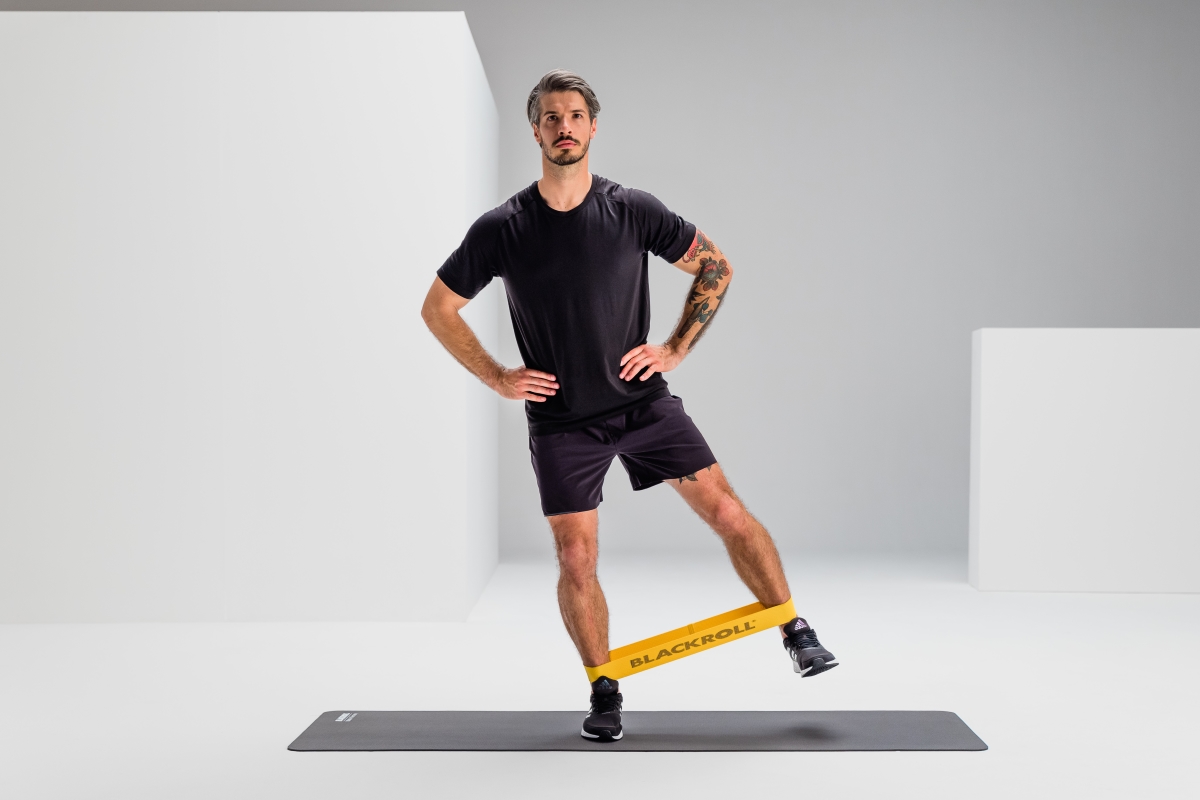
1. Loop Bands
Loop bands are continuous bands used for pulling, stretching, and mobility exercises. They are excellent for lateral raises, pull-aparts, and shoulder rotations.
2. Tube Bands with Handles
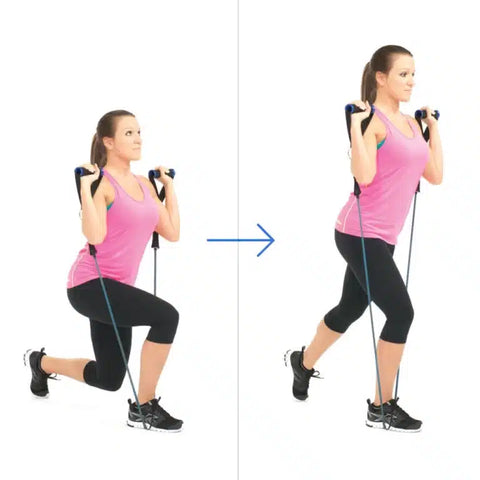
Tube bands with handles are versatile and suitable for rowing, pressing, and overhead exercises. They mimic dumbbell or cable exercises with adjustable tension.
3. Therapy Bands
Flat, thin bands are commonly used in rehabilitation. Ideal for light exercises targeting the rotator cuff and gentle strengthening.
:max_bytes(150000):strip_icc()/GettyImages-109439702-56a72b093df78cf77292f476.jpg "Use Exercise Band for Your Shoulder Exercise to Avoid a Bad Back Posture 4")
4. Figure-8 Bands
These are shaped like an “8” and are useful for controlled, rotational shoulder movements, especially during rehabilitation.

Key Shoulder Muscles Targeted
Resistance band exercises strengthen both major shoulder muscles and stabilizers, improving strength, mobility, and posture.
- Deltoids: Front (anterior), side (lateral), and rear (posterior) deltoids control lifting and rotating the arm. Exercises like front raises, lateral raises, and band pull-aparts target them.
- Rotator Cuff: Includes supraspinatus, infraspinatus, teres minor, and subscapularis. These muscles stabilize the shoulder and aid rotation. External and internal rotations with bands strengthen them.
- Trapezius & Rhomboids: Support scapular movement and posture. Face pulls and banded scapular retractions engage these muscles.
- Serratus Anterior: Helps with scapular protraction and overhead stability. Band punches or overhead presses activate this muscle.
Summary: Using resistance bands targets both primary and stabilizing shoulder muscles, enhancing strength, stability, and injury prevention.
Essential Resistance Band Shoulder Exercises
Resistance bands allow you to target all major shoulder muscles safely and effectively. Here are the key exercises:
1. Band Pull-Apart
The band pull-apart is an excellent exercise for targeting the rear deltoids and upper back muscles, including the rhomboids and trapezius. To perform it, hold the band at shoulder height with both hands in front of you. Pull the band apart slowly until your arms are extended out to the sides, squeezing your shoulder blades together at the end of the movement. This exercise helps correct poor posture, strengthens the upper back, and balances the anterior shoulder muscles.

2. External Rotation
External rotations primarily strengthen the rotator cuff muscles, which are critical for shoulder stability and injury prevention. Anchor the band at elbow height, hold it in one hand, and keep your elbow tucked close to your side. Slowly rotate your forearm outward, keeping the upper arm stable, then return to the starting position. This exercise is particularly beneficial for rehabilitation after shoulder injuries and helps improve rotational strength needed for daily and athletic activities.

3. Front Raise
The front raise targets the anterior deltoid, the muscle at the front of the shoulder responsible for lifting the arm forward. Stand on the band with feet shoulder-width apart, hold the band ends in each hand, and raise your arms straight in front of you to shoulder height. Lower them slowly to maximize muscle engagement. This movement improves shoulder strength and endurance, which is essential for lifting objects and pushing movements.

4. Lateral Raise
The lateral raise works the lateral deltoid, helping to broaden the shoulders and improve stability. Stand on the band and lift your arms sideways until they reach shoulder level, keeping a slight bend in the elbows. Slowly lower your arms back to the starting position. Regular practice strengthens the lateral deltoid and contributes to better shoulder shape and balanced muscle development.
5. Overhead Press
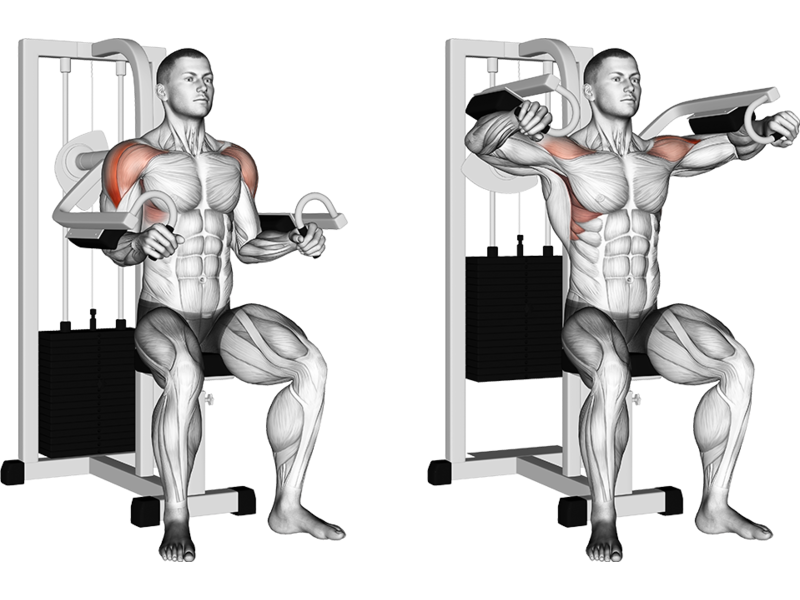
The overhead press engages multiple shoulder muscles, including the deltoids and triceps, while also activating stabilizers in the upper back. Stand on the band with feet shoulder-width apart, hold the handles at shoulder height, and press the band overhead until your arms are fully extended. Slowly return to the starting position. This exercise increases overall shoulder strength, improves pressing power, and enhances functional upper body movements.

6. Face Pull
The face pull is one of the best exercises for targeting the rear deltoids and upper trapezius, promoting scapular stability and posture correction. Anchor the band at eye level, grasp it with both hands, and pull it toward your face, keeping elbows high. Squeeze the shoulder blades together before returning to the starting position. Face pulls help prevent rounded shoulders, strengthen the upper back, and improve shoulder joint alignment.

7. Scapular Retraction
Scapular retractions focus on the rhomboids and middle trapezius, which are essential for stabilizing the shoulder blades. Anchor the band in front of you, hold it with both hands, and pull your shoulder blades back while keeping your arms straight. Return slowly to the starting position. This exercise improves posture, shoulder stability, and reduces the risk of injuries associated with weak scapular muscles.

Conclusion
Resistance bands are an invaluable tool for shoulder strengthening, mobility, and injury prevention. They provide a versatile, low-impact, and effective way to target all shoulder muscles, from deltoids to the rotator cuff. Whether your goal is rehabilitation, functional fitness, or aesthetic muscle development, incorporating resistance band exercises into your routine can significantly improve shoulder strength, stability, and flexibility.
By following proper techniques, progressing gradually, and combining exercises for a balanced routine, you can achieve strong, healthy shoulders without heavy weights or expensive equipment.