
Author name: Hussein.aboodi94@gmail.com

7 Effective Ways to Manage Carpal Tunnel and Enjoy Pain-Free Living
Blog

7 Effective Ways to Manage Carpal Tunnel for a Pain-Free Living

Carpal tunnel syndrome is a common wrist and hand disorder that causes pain, numbness, and tingling as a result of the median nerve compression. The condition mainly originates from repetitive hand motions, improper positioning of the wrist, or health-related issues. If left unattended, carpal tunnel may worsen over time and can have substantial effects on daily living. Fortunately, there are numerous ways of dealing with it. FWC, one of Australia’s most trusted wellness centres, conducts professional treatment for patients by holistically combating the symptoms of the syndrome. Here’s an article written on seven effective ways of managing it, from medical treatments to prevention.  1. Professional Treatment of Carpal Tunnel First of all, a doctor should be consulted for help to deal with carpal tunnel syndrome. Diagnosis will be accompanied by an exact cognisance of how serious the condition is and what kind of treatment one needs. Specialists of FWC make complete diagnoses. Very often, this test includes the carpal tunnel syndrome test, a common assessment of nerve function and range of motion in the wrist. All of these tests will, in turn, aid in the development of specific treatment plans that target certain symptoms. These range from physical therapy, splinting, and even minor surgical procedures, depending on how serious the case may be. Professional treatment for carpal tunnel at FWC is done individually to ensure the best outcome and relief from discomfort. 2. Wear a Carpal Tunnel Splint or Brace The best and most straightforward way to manage it is through immobilising the wrist with a carpal tunnel splint or even a wrist brace for carpal tunnel, which allows the median nerve to heal through reduction of the pressure on it. A brace, especially at night, can prevent exacerbation of symptoms because of improper positioning of the wrist during sleep. Experts in FWC strongly recommend bracing the patient for comfort or effectiveness with the use of what is considered the ideal carpal tunnel brace. Over time, pain and numbness can be significantly relieved by constant bracing.  3. Do Some Stretching and Strengthening Exercises Routinely Such treatment helps in releasing the symptoms of carpal tunnel syndrome, and gym exercises are a part of such treatment. The most harmless among them are stretching and strengthening exercises, as they improve circulation, reduce inflammation, and thus maintain flexibility in the wrist. These simple movements-rotation of the wrist, stretching of fingers, and nerve gliding exercises-remove tension and help in healing. The FWC treatment packages also include corrective exercises. Patients are taught how to do these stretches correctly to maximise their benefits. If practised continually, the symptom will be eliminated and further straining of the wrist will be prevented. 4. Ergonomic Adjustments Ergonomics is of paramount importance in the prevention and management of carpal tunnel syndrome. Poor positioning of the wrist, combined with the repetition of movements, may be one of the common causes for this condition. The changed workspace and daily regimen can go a long way in relieving tension from the wrist. An ergonomic keyboard, mouse, and wrist rest encourage appropriate alignment during activities. Experts at FWC also review the workstations of the patients and, after that, come up with personalised recommendations regarding the ergonomic setup. Such measures not only prevent further aggravation of the symptoms but also provide long-term benefit for the wrist. 5. Lifestyle Changes Lifestyle modification can go a long way in the management of carpal tunnel syndrome. Modifications or limitations in activities which involve the repeated action of the hand or wrist must be made. One must take a break from such activities on a regular basis to avoid strain. For symptomatic patients, heat or ice therapy could temporarily relieve either one, acting on inflammation and the relaxation of tight, short muscles. FWC stresses making these simple practices part of a daily routine in support of general wrist health. 6. Understand Restrictions After Carpal Tunnel Surgery It may also include those in whom conservative treatments bring inadequate relief. Surgery generally involves the decompression of the median nerve by severing the constricting ligament. Care after surgery ensures recovery. Avoidance of heavy lifting, repeated action of the wrist, and every kind of strain for some time are some of the common restrictions after carpal tunnel surgery. In FWC, general postoperative care is given, including physical therapy, management of pain, and safe resumption of activities, which enables the patient to recover smoothly with the least chances of recurrence. 7. Preventive Measures for Long-Term Relief Carpal tunnel prevention is equally important as its treatment. Prevention, including posture, ergonomic equipment, and breaks at frequent intervals while doing similar repetitions, decreases the possibility of having the condition or worsening it. FWC is quick in teaching patients about the preventive measures that relate to one’s lifestyle and work habits. By incorporating these measures, one can enjoy relief from the problem for a long time and get rid of the discomfort caused due to carpal tunnel. Comprehensive Carpal Tunnel Care at FWC is an accomplished name when it comes to integrated health care. It does indeed offer current solutions in the management of carpal tunnel syndrome, from accurate diagnosis to personalised treatment plans. A centre comprising experts and committed personnel, comprehensive support is offered against carpal tunnel. With fully equipped facilities and a patient-centred approach, FWC features among the best places in the country to help sufferers find relief from symptoms of carpal tunnel syndrome. Conditions Other Than Carpal Tunnel Treated at FWC In addition to carpal tunnel, other ills with musculoskeletal and neurological disorders treated at FWC include: This wide array of services makes FWC a single source for comprehensive health services. Conclusion Effective care for carpal tunnel syndrome requires a combination of professional care, modifications in lifestyle, and preventive management. To our patients at FWC, expert advice and personalised solutions for pain reduction are given; mobile management and return to quality living are ensured. Whether through carpal tunnel splints, ergonomic adjustments, or postsurgery rehabilitation, FWC provides a wide-based care that addresses symptoms in both the

7 Benefits of Chiropractic for Kids: Supporting Growth and Wellness
Blog

7 Benefits of Chiropractic for Kids: Supporting Growth and Wellness

Chiropractic for kids is an efficient, natural way in which parents can support their kids in good health. At FWC – The Family Wellness Centre of Australia, it is designed in a way that encourages healthy growth, improves well-being, and comfort. In the following, we discuss seven major benefits of chiropractic for kids, and how FWC ‘s approach provides quality chiropractic care to young Australians. 1. Healthy Growth and Development Chiropractic for children helps the development of the body by keeping the spine aligned properly. At FWC, it is designed to help children lay a good foundation for balanced growth in their bodies. The chiropractic care for kids will enhance the optimal function of all parts of the body, thus leading to comprehensive health. 2. Enhances Posture and Prevents Spinal Problems Poor posture is one of the common complaints nowadays in children due to the rise in technology use. FWC chiropractic for kids focuses on postural alignment, balance to stand and tall upright in nature, support for extended periods of sitting, or screen time. Besides, it creates ways for good posture early in life that will protect against chronic spinal problems for years to come. 3. Enhances Immunity and Supports Overall Health Chiropractic care for kids can help the body’s immune system. Chiropractic for kids at FWC helps the nerves function properly because of proper positioning of the spine, enabling it to fight off an infection and making the body resilient to common childhood illnesses. This feature of chiropractic for kids makes it an excellent choice for parents in pursuit of natural immunity support for their kids. 4. Helps with Common Childhood Ailments Chiropractic for kids can alleviate some of the most common complaints, such as ear infections, colic, and digestive issues. At FWC, the light chiropractic treatment releases the interference in the nerves that could be causing discomfort for children suffering from these ailments. The chiropractic for kids treats the causes, so it is another alternative for symptom management without medication. 5. Improves Concentration and Mental Clarity Apart from physical benefits, chiropractic for kids can help improve focus and cognitive function. Chiropractic for kids at FWC supports the nervous system, which takes part in behaviour and concentration. Through betterment in the health of nerves, chiropractic for kids may help improve cognitive balance so that children can perform better at school or at home. 6. Improves Sleep Quality Good sleep is an important aspect of a child’s development, and chiropractic for kids improves sleep quality by relaxing tension and stress in the body. In using chiropractic for kids at FWC, the aim would be to relax the muscles and decrease pressure on the spine to set up a comfortable sleeping position that is conducive to good sleep, allowing the kids to wake up refreshed and ready to learn and play. 7. Offers Natural Non-Pharmacological Pain Relief Chiropractic care for kids offers a natural alternative to pain management, relieving tension and discomfort without the use of drugs. At FWC  chiropractic for kids treats the source of the pain and not just its symptoms, which is what makes this treatment very safe and effective for parents wanting to avoid overmedication for their kids. By embracing chiropractic for kids, families can support long-term health and relief in a very gentle, holistic way. The Family Wellness Centre (FWC ) Difference The Family Wellness Centre Being among the most famous family wellness cecentresn Australia, this facility adopts a child-friendly approach in chiropractic care for kids. FWC has been in operation for over a decade under the management of Dr Hussein Aboodi and a team of caring professionals committed to providing chiropractic care for kids with a personal touch. Being holistic in nature, concerning health and wellness in the family setting, EFWC will be of utmost importance for parents who want their kids to grow naturally. What to Expect at FWC? With FWC, chiropractic care for kids always begins with a comprehensive consultation of posture, alignment, and general health. In this way, it gives the practitioner an overview of a child’s particular needs to formulate a customised chiropractic plan for kids. This friendly atmosphere in EFWC will make your child feel relaxed all the while. Conclusion Chiropractic care for kids is a safe, effective, and natural way to support kids’ health and wellness. FWC has grown to be Australia’s most trusted provider of chiropractic for kids, with a holistic approach to healthy growth, immunity, and overall wellbeing. Choosing FWC will make the families confident in a treatment approach that comes first for their child’s health. For parents who wish to reap the benefits of chiropractic for kids, FWC becomes the most valuable resource in efforts toward balance, comfort, and growth. Browse through the centre’s website or book a consultation to learn more about how EFWC’s chiropractic for kids services can support your child’s wellness journey.

Family Wellness Centre: 7 Best Services for Optimal Health
Blog

Family Wellness Centre: 7 Best Services for Optimal Health

In today’s fast-moving world, the factor of holistic health has turned prime in sustaining balance and overall wellness. For a period of 12 consecutive years, Family Wellness Centre has carved a niche for itself within Australia through wholesome, family-oriented health care aimed at maintaining a healthy, balanced lifestyle. It would blossom into a holistic centre under the tutelage of award-winning chiropractor Dr. Hussein Aboodi, catering to the needs of all people, from babies to mature citizens. Family Wellness Centre is ultra-modern, oriented to patient needs, and committed to excellence; thus, it has managed to gain a good reputation throughout Australia for its effective individual care.  A Holistic Approach to Health and Wellness Webhealth truly understands that true health is an integration of physical, emotional, and nutritional health. This is contrary to the conventional type of care that isolates symptoms and then treats them. Wellness at Family Wellness Centre is taken to mean much, including the fact that the body and mind are interconnected. This would ensure that the care given to the patients was in a way that would promote all the aspects of a patient’s well-being, from physical to emotional, toward the longevity of improvement in health and energy. This makes it an ideal fit to provide health care services for families, whatever their age. The reputation of The Family Wellness Centre in quality health care has translated into a wide network of GPs,s extending trust. Extensive recommendations further fortify this centre’s position in commitment to offering exemplary and trustworthy care in a warm and nurturing setting. Core Services Offered The services on offer at the Family Wellness Centre are manifold; all health and wellness focused on the individual and their family. Major services include: Chiropractic Care Chiropractic service is the core of service delivery at The Family Wellness Centre. Indeed, over the years, chiropractic professionals associated with the center have developed comprehensive experience in spinal health by administering therapies aimed at adjusting and aligning the spine to reduce pain and increase mobility, hence promoting the overall well-being of the spine. This has not only helped in managing immediate pain but also assisted in preventing further injury and improving the quality of life. Nutritional Counseling Good health starts with nutrition, and The Family Wellness Centre offers nutritional counseling when the need arises upon the patient’srequestt. Personalized nutrition plans will support immunity, digestion, and weight management, and keep the patient symptom-free with energy and resiliency. The nutrition aspect will allow taking power through knowledge in regard to healthy eating that will promote one’s body to function well for many years to come. Therapies and Treatments Apart from these two central services that form the basis of chiropractic and nutrition, other ancillary therapiesthath may come under the same umbrella would include massage therapies, rehabilitation exercises, and stress management techniques. All these treatments tied together render the patient physically fit with a crystal clear mind. Holistic healing in patients not only helps in the reduction of pain but, at the same time, furthers the process of relaxation and emotional well-being. What to Expect When You Visit? A visit to The Family Wellness Centre is more than a visit for health care-it is rather a journey of betterment toward health. Every single part of the patient experience at the centre has been crafted in such a way that every individual will be made to feel welcome, informed, and comfortable along their journey of care. Comprehensive Consultation Each patient is initially put on a consultation session so as to begin a course of treatment. During such a session, the general health, life, and symptoms a patient portrays are observed by a practitioner. In this co-operative approach, an individual care plan shall be drafted, which would address the cause of the problem at hand rather than alleviating symptoms only. This shall be done in order to constitute a feasible road to health enhancement for each particular individual. The Centre treats a myriad of conditions to offer relief and support in the following areas of health issues, among others. Back and Neck Pain: In dealing with back and neck pain, the centre focuses on the root cause through chiropractic adjustments coupled with rehabilitation exercises that enhance the mobility of these body parts and reduce the level of discomfort. Headaches and Migraines: The integrated approach will help the patientmanageg stress and nutrition to decrease the frequency and intensity of headaches. Posture-related Issues: Assessment of posture and corrective exercises will benefit the patients in maintaining their body alignment, reducing stress on their bodies, and providing comfort. Rehabilitation Treatments for Sports and Occupational Injuries: These rehabilitation treatments are targeted at curing the patient, making him more resistant physically, and returning him to work or sporting activities with as little chance of re-injury as possible. These treatments, because supported by advanced equipment, are meant to give relief that may last and facilitate well-being in the long run. The Family Wellness Centre would see each individual off with empowerment to take over responsibility in his health, as unique health needs are paid attention to. Continuing Care and Education Care from the center does not stop with the mere treatment itself. In fact, there is vast enlightenment from the practitioners to the patients regarding preventive care, self-management strategies, and lifestyle changes that will be beneficial in keeping wellness for years. This emphasis on education means that the patient is being so prepared as to take on an active role in the management of his or her health, and therefore,e long-lasting habits for continued well-being would be achieved. The Benefits Associated with the Choice of Family Wellness Centre From such a choice, one is always assured of several benefits both for the individuals and their families to boot, hence it is going to be a household word as far as Australia is concerned when it comes to Family Integrated Health. Wholistic Family Care It has several major strengths; the centre can accommodate patients of any age group. As a result, the family

Myofascial Release
Blog

7 Effective Myofascial Release Techniques for Pain Relief

Myofascial release has gained increasing popularity because of its effectiveness for pain relief, improved range of motion, and relaxation. The myofascial release technique is a method of treating fascia, aweb of connective tissue that surrounds the musculoskeletal system, enveloping muscles, bones, and organs, tightened or injured from trauma, poor posture, and overuse. Any restriction in the fascia may cause muscles to be tense, limit the range of motion, and ultimately lead to chronic pain. In this respect, we will explore the top seven most helpful myofascial release techniques that can provide long-lasting relief and relaxation, while also supporting injury recovery. 1. Foam Roller Self-Myofascial Release One of the more accessible and widely used methods for pain relief via myofascial release includes foam rolling. This self-administered technique enables one to target specific muscle groups to release tension in the fascia. By rolling different parts of the body, pressure is applied to the fascia to relax muscle knots and relieve tension, all while improving flexibility. Advantages of foam rolling in myofascial release are not limited to alleviation but also to inducing muscle relaxation and preparing the body for more intensive stretching or exercise. This is quite helpful for large muscle groups such as quadriceps, hamstrings, and calves, where one could work effectively on myofascial release at home with the help of a foam roller. 2. Trigger Point Therapy with Massage Balls While the foam roller is excellent for larger groups of muscles, a massage ball provides a more focused way of attacking tight knots or trigger points within the fascia. Smaller massage balls-the size of lacrosse or tennis balls-allow direct pressure on the trigger points, releasing tension in hard-to-reach areas: the shoulder, glute, or sole of the foot. Trigger point therapy is most effective twhen workingwith particular areas where tension may be concentrated within the muscles. The ball is used to apply gentle, sustained pressure to release fascia restrictions, thereby reducing discomfort and improving range of motion. This technique is quite simple yet effective for a person’s daily routine use in order to manage long-term pain. 3. Chiropractic Myofascial Therapy Chiropractic myofascial therapy involves the direct application of a chiropractor’s pressure and special techniques intended to release fascia restrictions, very often in conjunction with adjustments to the spine. Chiropractic myofascial therapy has notable benefits for people with musculoskeletal pains in that the Chiropractor is trained to target certain areas of the fascia that help in reducing muscle tension and aligning the body. This would be ideal for people who go through chronic pain or repetitive strain originating from poor posture or past injuries. Chiropractic care offers a holistic approach to addressing the root causes of pain and tension of the fascia, hence offering better mobility, flexibility, and long-term pain relief. 4. Stretching for Myofascial Release Specific exercises in stretching will facilitate myofascial release for injury rehabilitation and ean help to relieve tension within the muscles. Stretching pinpoints fascia that iaretight and enables lengthening of the tissue, which makes it softer and more flexible with less restriction. Dynamic stretching, or stretching while moving, is incredibly useful for preparing the muscles and fascia for an event; however, static stretches are deeper once held for a good amount of time. Pay more attention to slow, gentle stretches and hold each stretch for at least 30 seconds to give the fascia enough time to relax and lengthen. Stretching approaches for the hip flexors, hamstrings, shoulders, and lower back are very specific to help reduce fascia tightness and may form part of a more general recovery or pain management process. 5. Myofascial Cupping Therapy Myofascial cupping is an ancient technique that is finding its modern appeal in sports medicine and physiotherapy. Special cups on the skin create a suction lift of the fascia, the muscles, andencourage circulation to reduce tension. This technique will significantly relieve deep muscle tension, improve blood flow, and offer an advantage in recovery. Myofascial cupping is excellent in releasing back, shoulder, and leg tension. Among athletes, it is one of the most used methods for the support of muscle recovery and pain management. The process has been known to leave temporary marks on the skin, but this method proves very helpful to many by opening one’s body’s tight areas in such a quick way. 6. Instrument-Assisted Myofascial Release [IASTM] In instrument-assisted myofascial release, special tools are used to assist the chiropractor, physiotherapist, or massage therapist in treating the restrictions of the fascia with more precision. These instruments apply pressure to particular areas of the fascia that will help degrade scar tissue and enhance the healing of muscles and tendons. This allows for smaller areas of fascia or pinpointed restrictions to be addressed by the practitioner. IASTM is most effective with injury patients because it targets scar tissue and adhesions that may have developed post-surgery or post-trauma. This method is very favourable to athletes and active individuals since it hastens recovery, alleviates discomfort, and restores mobility through the release of restricted areas in the fascia. 7. Deep Breathing and Relaxation Techniques While not actually a manual manipulation of the fascia, deep breathing and relaxation have a strong effect on the fascia through general relaxation and reduction in muscle tension. When we are stressed, the body often tenses up, and over time, the fascia becomes restricted. Deep, controlled breathing reduces tension in the body and mind and allows for the natural release of tight fascia. Include mindfulness or yoga exercises that focus on breathing as part of a myofascial release routine. This can help you cope with stressors using these techniques and, by doing so, reduce general muscle tension to take better care of your fascia and further augment other methods of myofascial release. More Benefits of Myofascial Release Myofascial release does more than simply eliminate pain. The numerous benefits of the techniques contribute ttolong-term health and wellness: Improved flexibility and an improved range of motion, because it reduces fascia restrictions.  Faster recovery from injuries, since myofascial release techniques will deal with fascia restrictions

7 Powerful Ways to boost immune system Naturally
Blog

7 Powerful Ways to boost immune system Naturally

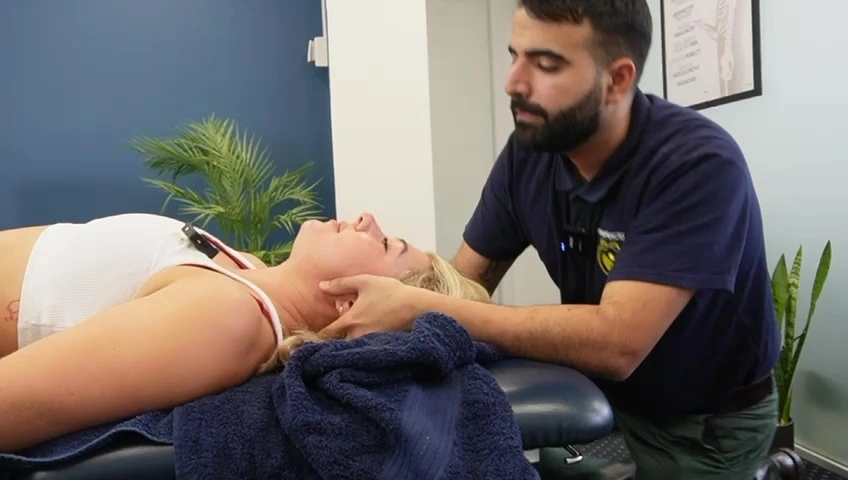
Boost Immune System is one very important bodily defense system. It fights off infections, diseases, and other health issues that may try to attack an individual. While dieting and living healthily are good ways through which immunity can be boosted, there are other ways to complement the body’s defenses using more natural methods. One of them is chiropractic care. Here are seven powerful ways to boost the immune system, right from what you eat to some kind of change in lifestyle. 1. Stress on a Nutrient-Added, Balanced Diet Physiotherapist doing healing treatment on womans neck, Chiropractic adjustment, pain relief concept.office syndrome The right nutrients will go a long way in complementing your immunity. Vitamins C, D, and E, along with zinc, have particularly important functions in the optimal working of the immune system. A wide variety of fruits, vegetables, whole grains, and lean proteins will ensure that your body gets all the nutritional values for good immunity. Vitamin C: It is obtained from citrus fruits, bell peppers, and strawberries; it is needed essentially to stimulate immune cells.  Vitamin D: Amplifies the response of the pathogen-fighting ability, mainly produced in fortified milk and other dairy products, fatty fish, and sun exposure.  Zinc: Has anti-inflammatory properties, playing an important role in immune stimulation; it can be obtained through nuts, seeds, and legumes. A well-rounded diet feeds not only your body but also empowers your immune cells to act effectively against various possible threats. 2. Do Regular Exercise Physical activity helps maintain weight and cardiovascular health and is, at the same time, a big contributor to a healthy immune system. The regular practice of this can enhance the circulation of immune cells through the body, enabling them to travel easily and hence recognize pathogens more clearly. Both moderate aerobic activities, like brisk walking, and muscle-strengthening workouts can be helpful. Aim for at least 30 minutes of physical activity most days of the week to keep your immune system going full throttle. Exercise may also help reduce inflammation, another hallmark of immune health. 3. Boost Immune System Rewards with Chiropractic Care Probably the last thing anyone thinks about in their effort to boost their immunity is chiropractic care. The truth is, such care may actually play an important role in boosting the immune system. Immune health and spinal health go hand in hand, as chiropractic adjustments serve positively on the nervous system, controlling the whole body-immune responses included. Spinal misalignment distorts the nervous system’s function and may lessen the body’s effective communication with its immune cells. A chiropractic immune boost can work by aligning the spine in such a way that the nervous system can function correctly; hence, it responds well to threats. Many people find, after successive chiropractic adjustments, that their nervous system becomes more responsive to immune-related functions, thus boosting their immunity. 4. Quality Sleeping for Restorative Immunity Sleep is one of the most critical modulating factors in immune health. The body heals itself while sleeping, and immune cells fight off infectious elements. Poor quality sleep results in weakened immunity that cannot be able to help your body resist diseases as effectively. Getting quality sleep of 7 to 9 hours every night is vital for naturally boosting the immune system function. Stick to a regular sleep schedule, avoid presleep caffeine and screen time, and engage in a relaxing bedtime routine that will help your body catch up on rest. Good sleep habits support immune function and foster overall wellness. 5. Reduce Stress and Boost Immunity through Chiropractic Adjustments Chronic stress depresses immunity through the secretion of cortisol, a hormone associated with suppressing the immune system. Given that chiropractic adjustments can often lead to better physical and mental alignment, they may also be very helpful in managing stress and, consequently, supporting the immune system. Chiropractic care to support natural immunity involves adjustments that release tension and allow for better circulation. By helping your body feel relaxed, chiropractic care can help you manage stress, which makes life a lot easier on your immune system as it does its job without interference. Complement these adjustments with other practices of reducing stress, such as meditation or deep breathing, to empower resilience throughout the human experience against common ailments. 6. Harness the Power of Hydration, Healthy Gut One of the most underestimated yet vital components of immune health is proper hydration. It forms lymph, a fluid that moves the immune cells through the body. Water intake might improve circulation by allowing the immune cells to take action against infection more appropriately. Gut health, where most of the immune system is actually found, would not be neglected. Adding to gut health with probiotics from fermented foods such as yoghurt, kefir, and sauerkraut enhances gut health and therefore supports immune health. A healthy gut will be able to deal with harmful pathogens and, therefore, should form part of any strategy aimed at boosting the immune system. 7. Explore Immune-Boosting Supplements Judiciously If you find it difficult to consume through diet alone, supplements can certainly be a convenient help. Vitamin D, vitamin C, and zinc are typical recommendations for immune system support. You could also consider some more natural immune-boosting supplements, such as elderberry and echinacea. However, consult a health professional before starting any supplement, as they can advise on the dosage and how it works with other health programs you may be on. Supplementing correctly will be one of the best ways to round out your immune-boosting efforts. More Info: Chiropractic Care with The Family Wellness Centre Chiropractor-services-for-pain-relief-and-spinal-adjustments Family Wellness Centre chiropractic care focuses on general wellness, mainly for people interested in a comprehensive approach to immune support. With over 12 years of experience, the Family Wellness Centre has numerous practices around Australia that specialise in modern facilities and innovative holistic approaches to care. The facility, guided by the award-winning chiropractor Dr. Hussein Aboodi, has treatments that range from spinal adjustments, among others, which help with the boosting of immunity naturally. Chiropractic adjustments may be one of the

7 Proven Arthritis Pain Relief Methods for Better Mobility
Blog

7 Proven Arthritis Pain Relief Methods for Better Mobility

Living with arthritis is never easy because one needs to live with constant joint pain, which limits one’s mobility and capacities in everyday life. Whether it be osteoarthritis, rheumatoid arthritis, or any other form of arthritis, effective Arthritis Pain Relief is crucial for maintaining comfort and functionality. Hence, here are seven proven methods for arthritis pain relief that can help you enjoy greater mobility and comfort in your daily activities. 1. Chiropractic Treatment for Arthritis Pain Relief A growing treatment for Arthritis Pain Relief is chiropractic care. Since chiropractic focuses on overall health, especially of the spine, their treatments can minimize inflammation and put less stress and strain on the joints, which in turn helps to lessen some pain. Treatment of arthritis via chiropractic care will include the use of spinal adjustments, normalized manipulations applied to the spine and joints to create alignment, reduction of pressure, and better joint function. This will entail a professional addressing those areas that contribute to pain during arthritis. It often entails soft tissue therapy, stretching, and sometimes massage, which relaxes muscle tension and promotes increased blood flow around the affected joints. Benefits of Chiropractic Care in Arthritis With better mobility, flexibility, and circulation, chiropractic care also takes care of general health and does not just relieve pain. It is because of this that it is one of the favorite choices for many arthritis sufferers who seek relief in natural and conservative treatments. While it may seem counterintuitive to move when the joints ache, one of the best management strategies for arthritis pain involves regular exercise. It serves to maintain flexibility in the joints and to provide muscle tone that supports the joint and enhances circulation, which, in turn, can help to reduce inflammation. Such low-impact activities as swimming, cycling, and walking are particularly good options because they put less stress on the joints. Besides, there is the possibility of physical therapy being able to prescribe specific exercises for the management of arthritis. A physical therapist will be able to help you build an exercise program that is safe for you to consider and one that will strengthen the muscles around affected joints, thus easing joint stress and improving your range of motion. 3. Natural Remedies for Arthritis Pain Relief Natural arthritis remedies provide symptom relief for those into treating the whole body, instead of resorting to the side effects of medication. Some helpful natural remedies include, but are not limited to: Turmeric/Curcumin: This magical spice is known for its anti-inflammatory action and can be supplemented into your diet or added to recipes for relief of pain and inflammation in the joints. Ginger: This root is also classified as an anti-inflammatory herb, which can help with reducing pain and inflammation in the body. It may be consumed in tea form or in supplement form. Omega-3 Fatty Acids: Omega-3, found in fish oil, has been shown to reduce inflammation and, by doing so, alleviate the pain of arthritis. These alternative remedies are used to complement other arthritis treatments, providing extra relief and making symptoms more manageable. 4. Pain Release for the Joints through Chiropractic and Spinal Adjustment For those who do have pain in their backs and necks, coupled with arthritis, the best treatment can often be achieved with spinal adjustments for arthritis Pain Relief. A spine that is out of alignment may place additional stress on joints of the body that should not occur, therefore causing further pain. Relieving the pain in your joints with chiropractic care allows your spine to remain in proper alignment, which can reduce the burden on affected joints. These adjustments serve to improve the general functioning of the nervous system and provide the body with an enhanced natural mechanism for controlling pain and inflammation. Besides adjustments, chiropractic care may involve advice on lifestyle modification, such as advice on posture modification and ergonomic changes that could make lives easier for people suffering from arthritis. 5. Hot and Cold Therapy for Managing Arthritis Pain Relieving arthritis pain with hot and cold therapy is one of the easiest and most effective methods. While hot therapy relaxes the muscles, improves blood flow, and reduces stiffness, cold therapy reduces inflammation and numbs painful areas. These therapies together can bring instant relief to the aching joints. Tips for Using Hot and Cold Therapy Hot Therapy: Soak the affected area in a warm towel, heating pad, or hot water bottle for 15–20 minutes. Cold Therapy: Apply a cold pack or ice wrapped in a cloth to the sore joint to reduce inflammation for 10–15 minutes. Application of hot and cold therapy alternatively achieves soothing relief and a reduction of inflammation for easy movement and reduction of stiffness in the affected joints. 6. Pain Management in Arthritis through Diet and Nutrition Dietary nutrition plays an important role in reducing the element of inflammation and related pain in arthritis. Anti-inflammatory foods, like leafy vegetables, berries, nuts, and whole grains, may reduce the overall amount of inflammation in the body, hence managing arthritis pain from within. Food containing antioxidants also fights oxidative stress, which may worsen joint pain. Foods to Include for Arthritis Relief : Berries are rich in antioxidants, inhibitors of inflammation. Leafy Greens: Anti-inflammation by spinach, kale, and broccoli. Nuts and Seeds: Walnuts, almonds, and flaxseeds provide healthy fats that reduce inflammation. Avoiding Processed Foods, Excessive Sugar, and Unhealthy Fats: This will also help in lessening the inflammation, therefore improving the effectiveness of other treatments for arthritis. 7. Assistive Devices and Joint Protection Techniques Assistive devices and joint protection techniques can lead an easy life with arthritis and can reduce pain by decreasing stress across the affected joints. Almost all the joints have their braces, splints, and compression gloves to relieve and stabilize the joint. Joint Protection Technique: Avoid High-Impact Activities: Reduce or avoid activities that put pressure on joints. Use Assistive Devices: Tools, such as jar openers, grab bars, and reachers, make daily tasks easier. Pay Attention to Good Posture: This minimizes joint stress and strain, particularly

7 Reasons Why Chiropractic for Sciatica Is Your Best Pain Relief Solution
Blog

7 Reasons Why Chiropractic for Sciatica Is Your Best Pain Relief Solution

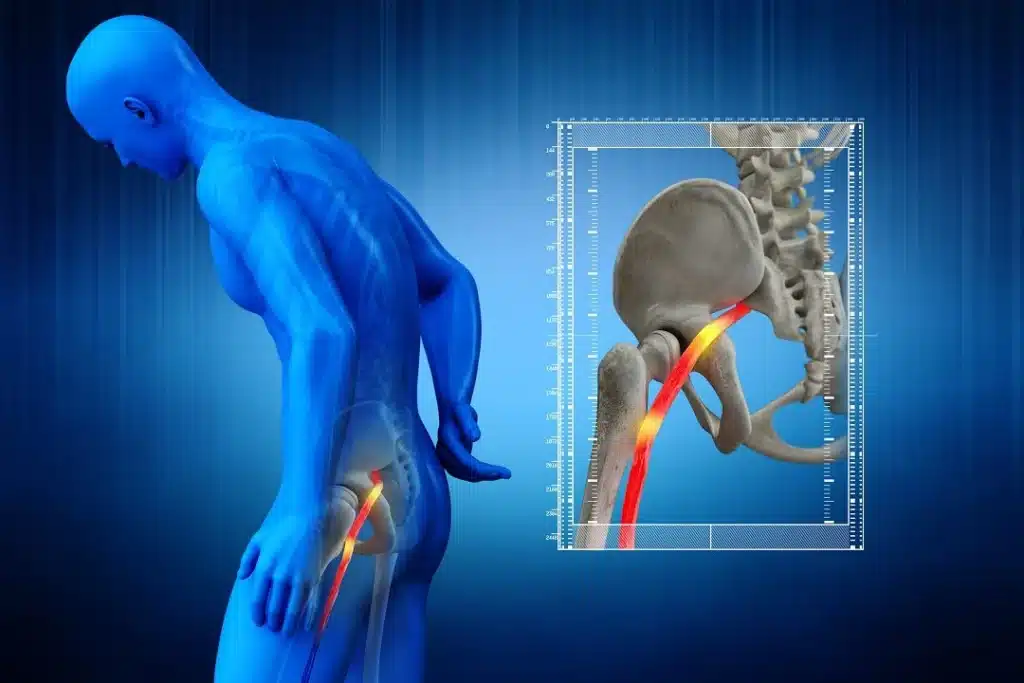
Chiropractic treatment of sciatica is fast gaining popularity as the number one non-invasive therapy for the condition. For many, the term sciatica describes pain that travels down from the lower back through the hips, buttocks, and into each leg. The pain can be from moderate to severe, debilitating pain. However, for those searching for relief, chiropractic techniques for sciatica also offer natural treatment that deals with the root cause and not the symptoms of this ailment. Next, we explore seven plausible reasons why chiropractic for sciatica needs to be your number one solution for relief from the pain. 1. Sciatica Chiropractic Relief Addresses the Root Cause One of the most important benefits of chiropractic for sciatica is that it treats the root cause. While pain medicines may give one short-term relief because they deaden the pain, chiropractors perform spinal adjustments to realign the spine and thereby reduce pressure from the sciatic nerve. In a misaligned spine, particularly with the lower back, sciatica is experienceddue toh the compression of nerves. Chiropractic treatment functions by aligning the spine into its proper position through specific manipulation, which may relieve pressure from the sciatic nerve and stimulate natural healing. This renders long-term relief and ensures that further episodes of sciatica do not occur. 2. Non-Invasive and Drug-Free Treatment For those in search of a non-invasive approach, chiropractic sciatica offers a drug-free alternative to pain management. Pain medications come with their undesired side effects, and surgery is quite risky. Chiropractic uses natural methods of spinal adjustments, stretching, and chiropractic exercises for sciatica to reduce pain and inflammation. This is especially appealing to those who would wish to avoid the potential risks involved with surgical intervention or long-term use of medication. Chiropractors are gentle yet very effective at managing and treating pain associated with sciatica. 3. Chiropractic Techniques for Sciatica Are Tailored to Your Needs Another reason why chiropractic for sciatica is an ideal treatment option is that it’s specifically tailored to each and every one of the patient’s needs. Chiropractors always do a thorough consultation and examination so that they can assess the severity of the condition, find the exact cause of sciatica, and develop a personalized treatment plan. These may involve spinal manipulations, soft tissue treatments, chiropractic exercises for sciatica treatment, or lifestyle changes. Chiropractors are taught to view health in a holistic perspective, so every proposed treatment plan will precisely treat the particular challenges while at the same time nurturing general well-being. 4. Sciatica Treatment That Improves Mobility and Flexibility This condition can massively limit a person’s range of motion, with sharp pains in the legs and lower back, even from minor movements. Chiropractic care tries to increase mobility and flexibility through appropriate repositioning to reduce inflammation around the sciatic nerve itself. Through continuous treatment in chiropractic care, the patient can regain the range of motion and feel that his life is more manageable as he is experiencing less pain. Furthermore, chiropractic exercises for sciatica are aimed at strengthening the muscles around the spine, further promoting flexibility and stability. 5. Chiropractic Exercises for Sciatica: Ensure Long-Term Healing It not only aims at pain relief but also facilitates the healing process on a long-term basis. Chiropractors usually prescribe exercises in the form of chiropractic exercises for sciatica to be performed at home. This set of exercises targets the muscles in the lower back, hips, and legs by enhancing strength, flexibility, and core stability. In turn, these exercises, if practiced regularly, can help take care of the alignment of the spine for the patient and avoid further flare-ups of the sciatica to live a life free of pain. By taking this proactive approach to treatment, patients are also ensuring that they are preventing future episodes of sciatica, along with curing the pain at present. 6. Does Chiropractic Work for Sciatica? The Results Speak for Themselves By far, one of the most frequently asked questions is whether or not chiropractic works for sciatica. The answer is an enthusiastic yes. Many report complete improvements in as few as a few chiropractic sessions. Studies have also noted that chiropractic is effective at reducing pain and improving function in individuals with sciatica. Chiropractors are trained to locate the origin of sciatica and develop a treatment program that can stimulate the healing process. With combined manual therapies, targeted adjustments, and advice on lifestyle modifications, patients can achieve significant pain relief related to sciatica without medication or surgery. 7. Is Chiropractic Good for Sciatica? It Addresses Pain Without Masking Symptoms Top-5-Proven-Sciatic-Nerve-Pain-Solutions-by-Chiropractic-Experts Finally, one of the biggest benefits of chiropractic relief for sciatica is the fact that this method treats pain right at its source and does not mask the symptoms. Unlike pain medications, which offer temporary pain relief by blocking the pain signal to the brain, chiropractic care actually fixes the structural problems that are causing the pain in the first place. This means that, once treated accordingly, many clients find their sciatica relieved for long periods and, in most instances, they do not have to remain on their medications. By addressing the alignment of the spine, the balance of the muscles, and general health, chiropractic care encourages true healing, thus allowing the patient to go about their routine life without being really nagged by pain. The Family Wellness Centre Here at The Family Wellness Centre, we are committed to ensuring that, no matter what stage in life, people from all over Australia can find relief from sciatica pain. Our health care centre has been one of the largest and most comprehensive in Australia for over 12 years. Dr. Hussein Aboodi is an award-winning Chiropractor leading our team towards dedication in helping you achieve balance and vitality through state-of-the-art facilities and personalized care. Our treatments vary from spinal adjustments to nutritional counseling. Professionals across the country trust our approach to health, and we pride ourselves on giving our patients the best in quality care. Be it sciatica or other areas of your health that bother you, we are here to

Wrist Tendon Pain: Causes, Symptoms & Effective Treatments
Blog

5 Helpful Ways to Eliminate Wrist Tendon Pain: Get Relief Now!

It is a kind of condition that may cripple your life by making simple tasks unbearable, such as typing, lifting objects, or even holding a cup of coffee. This kind of pain usually emanates from inflammation or irritation of the tendons at the wrist; this condition is also known as tendonitis. If left unattended, it may cause long-standing pain and possibly permanent injury. Wrist tendon pain treatment plays a very important role in restoring normal function and relieving pain. Given your symptoms, which may be caused by overuse, an injury, or an underlying health condition, here are five of the most effective treatments that could give you quick relief today. 1. Rest and Immobilization: Giving the Tendons Time to Heal The general treatment for any kind of tendonitis in the wrist is to give time to cure the affected tendons. This is usually done by immobilizing the wrist with either a splint or a brace that minimizes movements, which can further irritate it. Rest is very important because continued use of the wrist can prolong the inflammation and worsen the recovery process. It is very important in this stage to avoid repetitive motions and high-impact activities. Immobilisation may be an encumbrance to deal with; however, it’s a crucial part of the healing process. Based on the severity of your condition, your health professional may suggest that you wear the brace full time or only during activities that couldaggravatee the wrist. Comparisons of Knee and Shoulder Tendon Pain Treatment While rest is important during the treatment course of wrist tendon pain, it also has a significant role in other tendon injuries. These include treatment for knee tendon pain and shoulder tendonitis. Rest to the joint, avoidance of heavy activities, and wearing supportive devices such as braces or wraps can prevent further injury to the tendon and speed up the healing process of the injured tendon. 2. Physical Therapy: Strengthening and Stretching for Recovery Physical therapy is very crucial for the treatment of the wrist. The physical therapist will teach you exercises to stretch and strengthen the tendons and muscles of your wrist. Such exercises are not only dedicated to pain reduction, but they also improve mobility and prevent further injuries. Treatment often involves a range of light stretching to increase flexibility and some resistance exercises to strengthen the wrist. These exercises are usually adapted based on the severity of the tendonitis, along with the level of comfort related by the patient. Over time, physical therapy can reduce pain and inflammation immensely to aid in recovery. The Use of Physical Therapy in the Treatment of Pain in Other Tendons As with the treatment of wrist tendon pain, physical therapy works for the treatment of bicep tendon pain and hip tendonitis treatment. The strengthening of the surrounding muscles and stretching of the tendons reduces strain on the hurt area, allowing it to heal and regain function. 3. Cold and Heat Therapy: Reduce Inflammation and Pain Cold and heat therapy is a simple yet effective treatment option to lessen pain and inflammation emanating from wrist tendonitis. The application of ice packs on the affected area reduces swelling and numbs the pain, especially during the initial phases of the injury. The application of heat promotes blood flow to the wrist in aid of its recovery from injury, and it relaxes taut muscles. It is important, however, to know when each kind of therapy should be used. Generally speaking, ice is used in the first 48 hours of injury or when the pain is considered acute. If the inflammation has gone down, though, then heat can be a more useful treatment for flexibility and healing. Cold and Heat Therapy for Shoulder and Hip Tendon Injuries Cold and heat therapy is also effective in managing pain in conditions like shoulder tendonitis treatment and hip tendonitis treatment. Cold and heat therapy performed interchangeably can make recovery faster and the relief from tendon pain permanent in large joints. 4. Anti-Inflammatory Medications: Managing Pain and Swelling Over-the-counter anti-inflammatory medications, such as ibuprofen or aspirin, can be an effective part of treatment for wrist tendon pain. These medications work to reduce both pain and inflammation, allowing for greater ease of movement and making it easier to perform daily tasks. Others find turmeric and omega-3 supplements to be as effective in giving anti-inflammatory effects. Always consult a healthcare professional before starting any new treatment or supplement to ensure it is safe and appropriate for your condition. Medication for Tendon Injuries in Other Areas Anti-inflammatory medications are rather effective, not only in the treatment of wrist tendonitis, but also widely prescribed in the case of supraspinatus tendon tear treatment and bicep tendon pain treatment. This is because lessening inflammation alone can reduce further deterioration of the tendon while soothing pain. 5. Chiropractic Care and Massage Therapy: Alternative Treatments for Long-Term Arthritis Relief  Both chiropractic care and massage are alternative medicine treatments that can be utilized in the treatment of wrist tendon pain, offering a holistic approach to managing your pain and furthering your recovery. Chiropractic adjustments may be used to realign the wrist and hand in an attempt to reduce tension on the tendons. Massage therapy focuses on releasing muscular tension, improving blood circulation, and relaxing the tendons and surrounding muscles. Both are natural and non-invasive methods of treating wrist tendonitis, intent on long-term relief and recovery without totally depending on medication or surgery. Massage Therapy for Tendon Pain in Other Areas This modality is equally effective in treating other tendon injuries, such as hip tendonitis or shoulder tendonitis. By releasing tension in the surrounding muscles, which in turn improves blood flow, it may accelerate the healing process. This provides a complementary approach to other, more conventional treatments. The Family Wellness Centre: Your Partner in Tendon Pain Relief The Family Wellness Centre has been serving the community with an integrated approach to health for over 12 years. Our facility, spearheaded by the acclaimed chiropractor Dr. Hussein Aboodi, is equipped with state-of-the-art facilities

sciatic nerve pain
Blog

Top 5 Proven Sciatic Nerve Pain Solutions by Chiropractic Experts

Sciatica is a debilitating condition affecting millions of people around the world. That is particularly true in Australia due to the nnation’shigh percentage of active people and those who sit for many hours daily. It is characterized by shooting pains radiating down the sciatic nerve of the lower back, traveling down through the hips, buttocks, and legs. Sciatica often serves as a source of sharp and constant discomfort for many people, usually interrupting their routine activities tremendously. However, various solutions for soothing pain with chiropractic care offer good help in restoring mobility. In this article, we discuss the top five chiropractic solutions to sciatic nerve pain and look further into how it is best to manage the flare-ups and prevent them from occurring in the future. For those people looking for ways to manage their sciatica, the following chiropractic methods can indeed bring relief. 1. Sciatic Nerve Pain Solutions Spinal adjustments represent probably the most common chiropractic technique for sciatica. Indeed, spinal manipulations are done with the intention of aligning vertebras of the spine so that pressure on the sciatic nerve is minimal. Misalignment, particularly in the lumbar spine-the lower back-may contribute to compression of nerves and subsequent pain. Correcting misalignments should take the pressure away from nerves and enable the spine to function properly. Does chiropractic work for sciatica? Yes, spinal adjustments are a recognized procedure for relieving pain in the sciatica and helping to improve the health of the spine. These adjustments are non-invasive, and patients often describe relief after just a few sessions. However, the frequency of treatment depends on the severity of the condition and how the patient responds to the therapy. 2. Massage Therapy for Muscle Tension Relief 5 Powerful Benefits of Deep Tissue Massage for Pain Relief and Recovery Whereas the leading cause of pain actually comes from irritation to the sciatic nerve itself, sciatica can be further contributed to by muscle tension in the lower back and buttocks areas. Massage therapy is a part of many treatment plans that chiropractic professionals offer, which reduces muscle tightness that may put pressure on the sciatic nerve. Massage techniques involve the relaxation of the lower back, hips, and buttocks, the muscles usually involved in a case of sciatica. Massage therapy reduces inflammation, pain, and discomfort by promoting blood flow and allowing the muscles to relax. Chiropractic massage therapy is so helpful, especially because combining this treatment with other treatments, such as spinal adjustments, can create a more holistic approach in managing the pain related to sciatica. 3. Sciatica Stretches and Exercises In addition to spinal manipulations and massage, chiropractors recommend a variety of sciatica stretches and exercises for pain management and prevention. Such a set of exercises targets the muscles of the lower back, hips, and legs, enhancing flexibility and making the core muscles stronger, which, in turn, support the spine. These stretching exercises for sciatica are particularly effective in releasing pain that might result from tension in the muscles surrounding the sciatic nerve. Common stretches like the piriformis, seated hamstring, and knee-to-chest stretch relieve stress on the nerves and build good mobility. These exercises are generally easy to perform and can be done at home; hence, it is considered a practical option for frequent pain management. These exercises can be added to your daily routine in order to reduce the frequency and severity of the flare-up of sciatica. However, one should not initiate any stretching exercises without prior consultation with a chiropractor, who can assure you whether the exercises will be apt for your problem or not. 4. Postural Corrections and Ergonomics posture correction Bad posture is one of the most commonly overlooked causes of sciatica pain. Sitting and standing for long periods without proper posture can eventually displace the alignment of your spine and add extra pressure on your sciatic nerve. This would include chiropractors being able to evaluate a person’s posture while recommending ways for improvement. Chiropractors advise on correcting postures when sitting, standing, and lifting to avoid further strain on the lower back and, hence,e help alleviate sciatica. In workplaces, using ergonomic chairs with lumbar supports and standing desks makes a lot of difference when it comes to reducing back pains and preventing sciatica from getting worse. They may also instruct the patient in how to maintain proper spinal alignment when going about their daily activities to help prevent further problems with sciatica. 5. Lifestyle Modifications and Working Out with Sciatica Treatment done by a chiropractor is not confined to manual therapies only but extends to counseling patients on lifestyle modifications that may be helpful for the general health of the patient in the long term. In the case of a sciatica patient, these modifications encompass daily activities and exercise to avoid flare-ups and attain better health. If you work out regularly, especially with sciatica, chiropractors will be in a good position to suggest low-impact exercises that won’t further irritate your condition. Great forms of exercising can include swimming, walking, or cycling because they help strengthen the muscles that support the spine without overstretching the sciatic nerve. They also advise against heavy lifting and high-impact activities during flare-ups because they can make the symptoms worse. Weight management and healthy lifestyle maintenance also have an important role to play in managing the condition. Extra weight applies additional pressure on the spine, further contributing to compressing the nerves. Chiropractors can suggest nutritional advice and recommend light exercises that support weight loss while improving spinal health. The Family Wellness Centre The Family Wellness Centre has been part of serving the Australian community through quality chiropractic care for over 12 years on behalf of individuals and families. Our centre is led by a leading, award-winning chiropractor, Dr Hussein Aboodi, in its focused approach to personalized, functional medicine, and holistic health care solutions. We pride ourselves on the treatments we offer to our members, which include spinal adjustments, nutritional counseling, and every approach that is necessary to obtain balance, vitality, and overall wellness. With locations throughout

8-Key-Facts-About-Sciatica-and-How-Chiropractic-Can-Help
Blog

8 Essential Facts About Sciatica and How Chiropractic Can Help

Sciatica is a common and usually painful condition affecting many Australians, especially the active ones and people whose jobs involve sitting for hours on end. If you have ever experienced severe shooting pain in your lower back or down the leg, then you probably asked yourself, “What is sciatica?” It involves the irritation or compression of the sciatic nerve running from your lower back down through the hips and into each leg. While quite uncomfortable, fortunately, it is helped largely through chiropractic care in a non-invasive manner. In this article, we examine eight of the most important facts about sciatica and how chiropractic relief for sciatica can help you with your condition. 1. What Is Sciatica? Sciatica itself is not a condition but rather a symptom of other underlying problems affecting the sciatic nerve. The sciatic nerve is the longest and largest nerve in the body; from the lower spine, it runs through the hips and down each leg. This is the pain known as sciatica, which results when this nerve becomes compressed or irritated-usually by a herniated disc or spinal stenosis. Sciatic pain can vary from a mild ache to a sharp, burning sensation and often radiates down one side of the body. It will be important to establish that it affects the lower back, hips, and legs. Common Causes of Sciatica The main pain concerns include: Herniated disc: A bulge in the soft centre of a spinal disc can put the surrounding nerves under pressure, which in turn may compress the sciatic nerve and cause pain.  Spinal stenosis: Compression of the spinal canal exerts pressure on the sciatic nerve, thus giving rise to pain in the nerve.  Piriformis syndrome: Tautness or inflammation of the piriformis muscle in the buttock region can irritate the sciatic nerve. Spondylolisthesis: A condition where one vertebra slips over another, therefore decreasing the exit that the nerve leaves through. Symptoms of Sciatica Sciatica pain radiates from the lower back and extends through the hips, buttocks, and legs. Symptoms may include: Low back, hip pain usually made worse by prolonged sitting Shooting pain down the leg, often on one side Numbness, tingling, or weakness in the affected leg Sharp pain, painful to get up or walk Any of these symptoms requires professional attention. Some instances of sciatica may heal independently, but chronic pain and/or severe pain often require some sort of intervention; chiropractic care is very helpful. How Chiropractic Care Provides Relief for Sciatica Chiropractic care addresses the diagnosis and treatment of musculoskeletal disorders, especially of the spine. In the case of chiropractic relief from it, chiropractors apply numerous techniques that help take pressure off the sciatic nerve and restore mobility. This may include spinal adjustments, soft tissue therapy, and specific exercises to help reduce inflammation, restore function, and ultimately relieve pain. Is Chiropractic Good for Sciatica? Yes, chiropractic relief for sciatica does work for many patients. For this reason, chiropractors are specially trained to locate the source of a person’s sciatica, no matter whether the cause is from a herniated disc, piriformis muscle, or problems with the alignment of the spine. By treating the source of sciatica nerve compression, chiropractic treatment reduces pain and avoids flare-ups of the condition. Common chiropractic manipulative techniques include: Spinal Adjustments: Correction of the vertebrae, easing pressure off the sciatic nerve. Massage Treatment: Massaging the muscles around the sciatic nerve reduces inflammation and pain by relieving them.  Stretching and Strengthening Exercises: Increased flexibility and core strengthening help with posture, taking the pressure off the lower back.  Chiropractic Adjustments for Sciatica Pain One of the most common ways chiropractors treat sciatica is through spinal adjustments. The spine that is misaligned, particularly in the lower back, can put pressure on the sciatic nerve and cause pain.  Chiropractic adjustments are a mild manipulation of the spine to align properly, taking pressure off the nerve. These adjustments increase the range of motion and stimulate the healing process in the affected area. Non-invasive but effective chiropractic adjustments for sciatica can help prevent further incidents and rid people of the pain without using medication or surgery. A good number of the patients reported extreme improvement after a few sessions, though the number of treatments varied with the severity of the condition. The Role of Lifestyle and Exercise While effective, chiropractic usually requires long-term relief from sciatica pain, augmented by changes in lifestyle and/or physical activity. Chiropractors can recommend a series of exercises to help strengthen the muscles surrounding the spine, leading to better posture and reducing the potential for recurrence. These types of exercises, coupled with regular chiropractic adjustments, often result in improved flexibility, core strength, and overall spine health. Second, patients are also advised to avoid activities that further aggravate the lower back or irritate the sciatic nerve. This may include modifications in sitting, standing, and even lifting. Chiropractors also advise on posture and ergonomics to make sure daily life habits are supportive of the spine and prevent future episodes of sciatica from occurring. The Family Wellness Centre Through professional chiropractic care, the Family Wellness Centre offers comprehensive treatment options to all those ailing from sciatica pain. Operating for over 12 years and with numerous locations across Australia, these community-based centres ensure accessible care for one and all. This centre prides itself on state-of-the-art facilities and an overall holistic approach to health, headed by the nationally and internationally award-winning Dr Hussein Aboodi. Apart from chiropractic adjustments, FWC offers massage therapy and nutritional counselling to suit the individual needs of a patient. Its personal approach has made them even gain trust from practitioners in Australia, such as GPs and Neurosurgeons. Family Wellness Centre is all under one roof solution for families for long-lasting wellness and also to get rid of certain conditions like sciatica. Conclusion Sciatica is very debilitating to a person’s quality of life. It may be painful, but there is relief possible with the right care. Understanding the origins of your sciatica pain and exactly how it affects your sciatic nerve is

Scroll to Top
Call Now Button