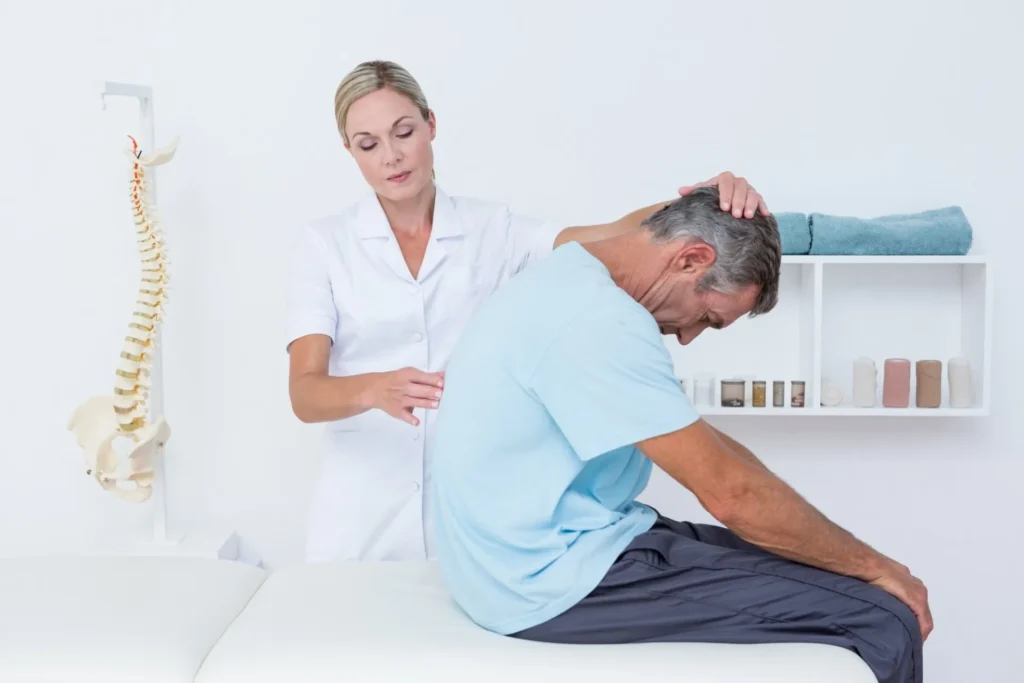
Exercise balls, also known as stability balls, Swiss balls, or birthing balls, have become an essential tool in fitness and prenatal care. Their versatility makes them perfect for strengthening your core, improving posture, relieving back pain, and even supporting women during pregnancy.
Whether you are a fitness enthusiast or an expectant mother, understanding how to choose, inflate, and use an exercise ball properly is crucial for maximizing its benefits and avoiding injuries. In this guide, we will cover everything from selecting the right size to using the ball for labor preparation, providing expert advice and real-life experience-based tips.
What Is an Exercise Ball?
An exercise ball is a large, inflatable ball made of durable PVC material designed to support weight and improve stability during various exercises.
Originally used in physical therapy, exercise balls are now widely employed in gyms, homes, and prenatal classes. They provide a dynamic surface that engages multiple muscle groups, enhancing balance, coordination, and core strength.
Types of Exercise Balls:
- Standard Stability Ball: Ideal for general fitness exercises.
- Anti-Burst Ball: Designed to reduce the risk of sudden popping.
- Birthing Ball: Larger and softer for comfort during pregnancy and labor preparation.
Expert Tip: According to certified physiotherapists, the instability of the exercise ball activates deep core muscles that traditional exercises might not target, making it effective for both fitness and rehabilitation purposes.
Why Use an Exercise Ball?
Exercise balls are more than just oversized inflatable toys—they are versatile tools that offer numerous benefits for fitness enthusiasts and pregnant women alike. Whether your goal is to strengthen your core, improve posture, or prepare for labor, an exercise ball can be an invaluable addition to your routine.
1. Strengthens Core Muscles
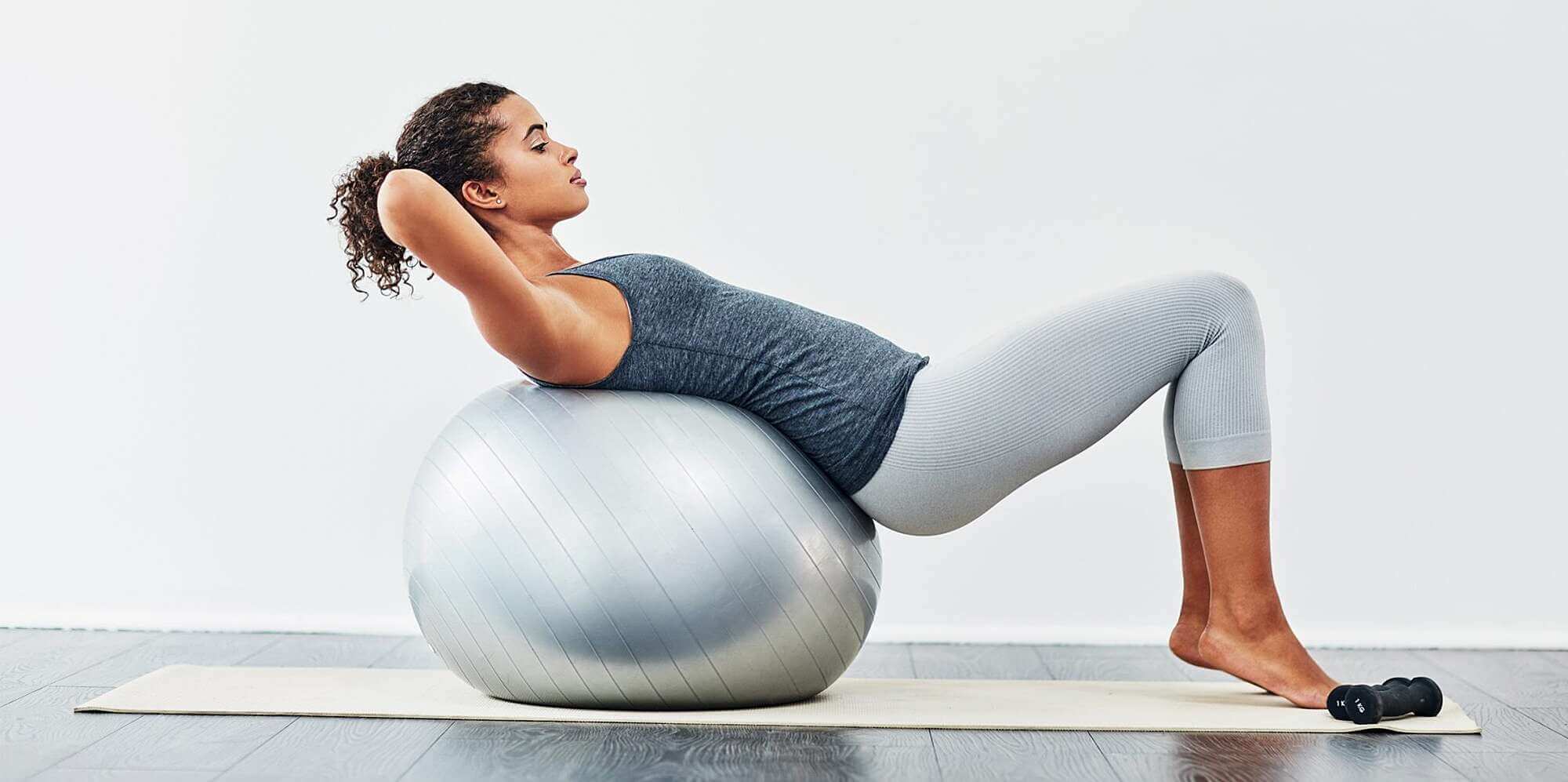
The instability of an exercise ball forces your abdominal and lower back muscles to engage constantly, even when sitting. Unlike stationary chairs or flat surfaces, the ball encourages micro-adjustments in posture, activating deep core muscles that traditional exercises might not reach.
2. Improves Balance and Coordination
Regularly using an exercise ball enhances your balance and coordination. The slight wobble requires your body to engage stabilizing muscles, improving proprioception—the body’s awareness of its position in space. Over time, this translates into better stability during everyday activities and other workouts.
3. Enhances Posture
Sitting or exercising on an exercise ball promotes proper spinal alignment. By naturally encouraging you to sit upright, it reduces slouching and eases tension in the lower back, neck, and shoulders. This is particularly helpful for individuals who spend long hours at desks.
4. Supports Flexibility and Stretching
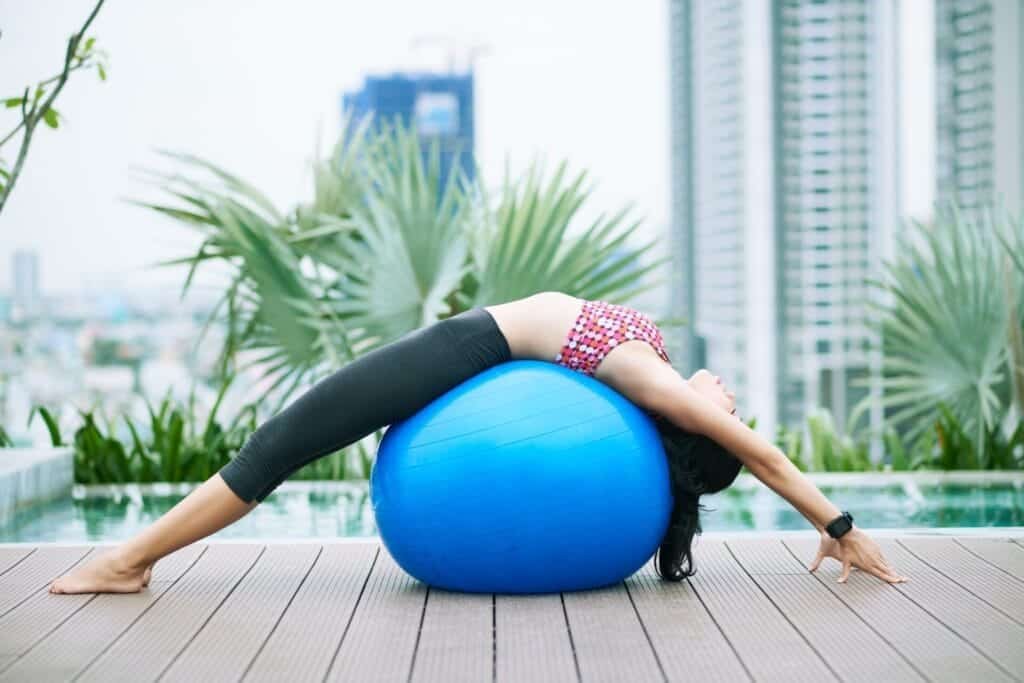
Exercise balls are excellent for stretching and mobility exercises. They allow gentle extension of the spine and limbs, improving flexibility while minimizing strain. Movements like back bends, chest openers, and hamstring stretches are safer and more effective with the support of a stability ball.
5. Benefits During Pregnancy
For expectant mothers, exercise balls offer unique advantages:
- Relieves Back Pain: Sitting on the ball reduces pressure on the lower back, easing discomfort associated with a growing belly.
- Improves Pelvic Flexibility: Gentle rocking and hip movements prepare the pelvis for labor.
- Promotes Relaxation: Slow bouncing and swaying can reduce stress and encourage better posture during pregnancy.
Expert Insight: The American College of Obstetricians and Gynecologists (ACOG) recommends using a birthing ball in the later stages of pregnancy to improve comfort, enhance pelvic mobility, and facilitate labor preparation.
6. Versatile for Various Workouts
From core exercises and squats to planks and yoga stretches, exercise balls can be incorporated into almost any fitness routine. Their adaptability makes them suitable for both beginners and advanced users.
How to Inflate an Exercise Ball
Knowing how to properly inflate your exercise ball is crucial for safety and effectiveness.
Step-by-Step Guide:
- Check the Ball Size: Refer to the manufacturer’s instructions for height and weight limits.
- Use a Pump: Most balls come with a hand or electric pump.
- Partial Inflation First: Inflate the ball to about 80% and let it rest for 24 hours to stretch the material.
- Fully Inflate: Complete inflation to the recommended size.
- Test Firmness: The ball should be firm but slightly bouncy. Over-inflation can lead to bursting, while under-inflation reduces effectiveness.
Safety Tip: Always inflate your ball away from sharp objects and check for punctures before each use.
How to choose the right size exercise ball
Choosing the right size of an exercise ball is essential for safety, comfort, and effectiveness. The correct size ensures proper posture, engages core muscles effectively, and reduces the risk of injury, whether you are using the ball for general fitness or pregnancy exercises.
1. Base Your Choice on Height
Height is the most important factor when selecting an exercise ball. Each height range corresponds to a specific ball size to ensure proper seating and stability. For instance, individuals between 4’10” and 5’3” (147–160 cm) typically need a 55 cm ball, while those between 5’4” and 5’10” (162–178 cm) benefit from a 65 cm ball, and taller individuals use 75 cm or 85 cm balls depending on their height. Using the correct size ensures that your knees are positioned at approximately 90 degrees when seated, allowing your muscles to engage properly. A ball that is too small or too large can lead to poor posture and decreased stability during exercises.
2. Consider Your Purpose
The intended use of the exercise ball also affects the size choice.
- For General Fitness: Choose a firm ball that supports your weight and allows a full range of motion for exercises like planks, squats, and core workouts.
- For Pregnancy: Many expectant mothers ask, “What size exercise ball for pregnancy?” In this case, a 65–75 cm ball is usually ideal. Sitting on a properly sized ball keeps your hips slightly above your knees, reducing lower back strain and supporting pelvic alignment. This is especially important for comfort and preparing the body for labor.
3. Test for Comfort and Stability
After choosing a ball, it’s important to test it for comfort and stability. Sit on the ball with your feet flat on the floor, ensuring your knees form roughly a 90-degree angle. Your thighs should be parallel to the floor or slightly angled downward. The ball should feel firm enough to support your body, but with a slight give when pressing down. A ball that is too soft can compromise stability, while a ball that is too firm may be uncomfortable for longer sessions or pregnancy exercises.
4. Adjust for Special Needs
Some situations require minor adjustments to the ball size.
- Pregnancy or Labor Preparation: A slightly larger or softer ball can provide additional comfort for pelvic rocking, gentle bouncing, and hip stretches.
- Advanced Fitness: Firmer balls are ideal for dynamic exercises like planks, squats, and core stability workouts, providing better support and control.
5. Expert Advice
Healthcare professionals and certified fitness trainers recommend testing several ball sizes if possible. Personal body proportions and comfort levels vary, so choosing the right size is not just about numbers; it’s about ensuring proper posture, spinal support, and safe, effective muscle engagement.

How to Use an Exercise Ball Safely
Exercise balls are versatile tools, but using them correctly is essential to avoid injuries and maximize their benefits. Whether you are a fitness enthusiast or an expectant mother, proper technique, posture, and safety precautions ensure effective workouts and comfort.
1. Maintain Proper Posture
The foundation of safe exercise ball use is maintaining proper posture. When sitting on the ball, keep your feet flat on the floor, knees at approximately 90 degrees, and hips slightly above your knees. Engage your core muscles by gently pulling in your abdomen and keeping your back straight. Avoid slouching or leaning too far forward, as this can strain your lower back. Maintaining proper posture ensures that your muscles are activated correctly and reduces the risk of injury.
2. Start with Basic Exercises
Before attempting advanced movements, begin with simple exercises to get comfortable with the ball’s instability. For general fitness, you can try:
- Seated Balance: Sit on the ball and hold for 30–60 seconds, keeping your core engaged.
- Ball Squats: Place the ball between your lower back and a wall, then perform squats slowly.
- Plank on Ball: Place your forearms on the ball and extend your legs behind you for a core-strengthening plank.
Starting with these foundational exercises helps you gain confidence, stability, and muscle control before progressing to more dynamic movements.
3. Pregnancy-Specific Exercises
Expectant mothers can also benefit from safe, gentle exercises on the ball. These movements relieve discomfort, improve flexibility, and prepare the body for labor:
- Pelvic Tilts: Sit on the ball and tilt your pelvis forward and backward slowly to reduce lower back tension.
- Hip Circles: Rotate your hips gently in a circular motion to increase pelvic mobility.
- Supported Stretching: Lean forward, backward, or to the side on the ball to stretch the back, hips, and shoulders safely.
4. Use the Right Environment and Equipment
Ensure the exercise area is free of sharp objects, slippery surfaces, or obstacles that could cause falls. Choose a high-quality, anti-burst ball suitable for your weight. Wearing supportive shoes and using a mat underneath the ball can also provide extra stability and safety.
5. Progress Gradually
Safety comes from gradually increasing difficulty. Start with 5–10 minutes of exercise per session and slowly increase duration as your balance and strength improve. Avoid attempting advanced moves or high-intensity workouts on the ball until you are confident in your stability and core engagement.
6. Listen to Your Body
Pay attention to any signs of discomfort, dizziness, or pain. Stop immediately if you feel strained or unstable. For pregnant women, any unusual symptoms should prompt immediate consultation with a healthcare professional. Listening to your body ensures that exercise on the ball remains safe, effective, and enjoyable.
Using an Exercise Ball to Induce Labor
Using an exercise ball can be a safe and natural way to prepare your body for labor. By sitting, gently rocking, or bouncing on the ball, expectant mothers can relieve lower back and hip pain, improve pelvic flexibility, and encourage the baby to move into an optimal birth position. To do this effectively, sit on a properly sized ball with your feet flat on the floor, hips slightly above your knees, and back straight. Slowly rock your hips forward and backward, or make small circular movements to engage your pelvis and relax your muscles.
The benefits of using a birthing ball include reduced discomfort, increased pelvic mobility, and better fetal positioning, all of which can make labor easier. Always perform movements slowly, use a non-slip surface, and have nearby support for safety. For high-risk pregnancies or if you experience pain or dizziness, consult your healthcare provider before using the ball. Following these simple steps helps expectant mothers safely prepare for labor while maximizing comfort and effectiveness.
When to Start Using an Exercise Ball in Pregnancy
Many expectant mothers wonder when to start using an exercise ball in pregnancy. In general, it is safe to begin using a birthing or stability ball after the first trimester, once the body has adjusted to the changes of early pregnancy. Starting in the second trimester can help relieve back pain, improve posture, and gently strengthen core and pelvic muscles. Using the ball regularly during pregnancy also prepares the body for labor by increasing pelvic flexibility and promoting better fetal positioning.
It is important to move slowly and listen to your body, especially during the later stages of pregnancy. Always choose a properly sized ball and perform exercises on a stable, non-slip surface. For women with high-risk pregnancies or any medical concerns, consulting a healthcare provider before starting is essential. By starting at the right time and using proper technique, an exercise ball can provide comfort, support, and labor preparation safely throughout pregnancy.
FAQs
Q1: How often should I use an exercise ball?
A: 10–20 minutes daily for general fitness. Pregnant women can use it multiple times for posture and comfort, with a doctor’s approval.
Q2: Can I sleep on an exercise ball?
A: No, it’s unsafe. Use it for exercises, sitting, or gentle bouncing only.
Q3: Exercise ball vs stability ball vs birthing ball – what’s the difference?
A: They are largely similar in construction. A birthing ball is often larger and softer for comfort during pregnancy and labor.
Q4: Can an exercise ball help with labor pain?
A: Yes, gentle bouncing and pelvic movements can relieve discomfort and promote optimal fetal positioning.
Conclusion
Exercise balls are versatile, safe, and effective tools for both fitness and pregnancy. Knowing how to inflate an exercise ball, choosing the correct size, and using it safely can enhance your workouts, relieve discomfort during pregnancy, and even aid in labor preparation.
By following expert guidance and practicing proper techniques, you can maximize the benefits of an exercise ball while reducing the risk of injury. Always consult healthcare professionals if you are pregnant or have medical conditions before beginning a new exercise routine.
Invest in a high-quality ball, follow these tips, and enjoy improved core strength, posture, and pregnancy comfort with FWC.