
Back pain and spinal stiffness are common reasons people seek conservative, non-surgical care. Among the many approaches available, back manipulation, also known as spinal manipulatio,n is a commonly discussed option within chiropractic and other manual therapy professions.
This article provides an evidence-based overview of back manipulation, including what it involves, how it may work, potential benefits and risks, and how it may fit into a broader, supportive care approach. The aim is to help patients make informed decisions by understanding the role of spinal manipulation within contemporary, patient-centred healthcare.
What Is Back Manipulation?
Back manipulation refers to a form of manual therapy that involves applying a controlled, specific force to joints of the spine. It is often described clinically as spinal manipulation and is typically delivered by trained and registered health professionals, including chiropractors and, in some contexts, other manual therapy practitioners.
The technique most commonly associated with spinal manipulation is known as high-velocity, low-amplitude (HVLA) thrust, although not all chiropractic care involves this approach. Importantly, spinal manipulation differs from general stretching, massage, or exercise-based therapy, as it is targeted toward joint movement rather than soft tissue alone.
Back manipulation is not intended to “fix” or permanently alter spinal structure. Instead, it aims to influence joint mobility, neuromuscular function, and movement patterns as part of a broader care plan.
How Back Manipulation Works
The exact mechanisms by which spinal manipulation may influence symptoms are still being studied. Current evidence suggests that its effects are likely multifactorial, rather than the result of a single structural change.
Back manipulation may work through a combination of:
- Mechanical effects
A controlled movement may temporarily improve joint mobility in areas that feel stiff or restricted. - Neurological responses
Stimulation of joints and surrounding tissues can influence how the nervous system processes movement and pain signals. - Muscle response
Changes in muscle tone or reflex activity may occur following manipulation, which can be associated with short-term changes in movement or comfort. - Sensorimotor input
Manual therapy can provide sensory input that may help improve body awareness and coordination.
It is important to note that the commonly heard “cracking” or “popping” sound during spinal manipulation is generally attributed to gas release within the joint (cavitation) and is not considered a sign of bones moving back into place.

Common Techniques Used in Back Manipulation
Back manipulation, also referred to as spinal manipulation, can be delivered using a range of techniques. Chiropractors select the most appropriate approach based on individual assessment, comfort, health history, and movement presentation. No single technique is considered suitable for everyone, and care is always tailored to the individual.
High-Velocity Low-Amplitude (HVLA) Manipulation
HVLA manipulation involves a quick, controlled movement applied over a small range of motion to a specific spinal joint. This technique aims to support joint mobility and may be associated with short-term improvements in movement or comfort for some individuals.
The audible sound sometimes heard during HVLA manipulation is commonly related to gas release within the joint space (cavitation) and is not an indicator of treatment effectiveness or structural change.
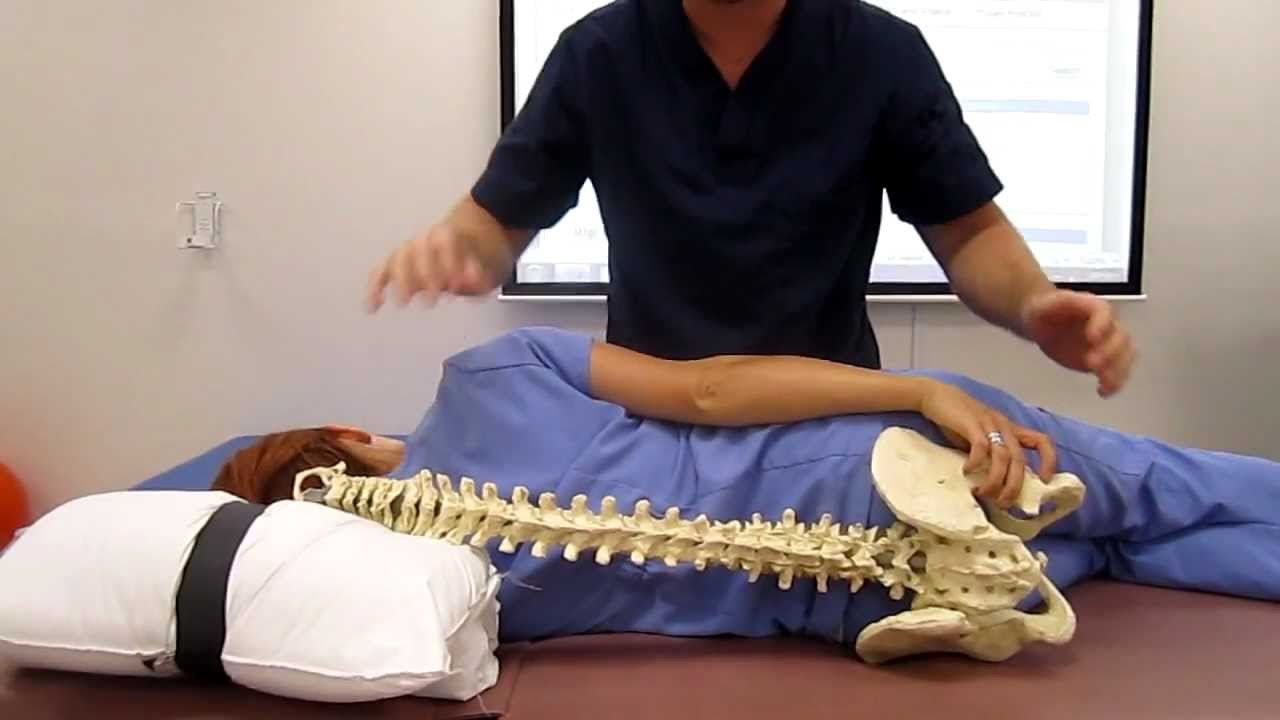
Low-Force and Gentle Manipulation Techniques
Not all spinal manipulation involves rapid or forceful movements. Low-force approaches use slower, more controlled pressure and may be preferred for individuals who are sensitive to movement, older adults, or those with specific clinical considerations.
These techniques aim to support movement without placing excessive load on the joints and can be used as part of a conservative, comfort-focused care approach.

Instrument-Assisted Manipulation
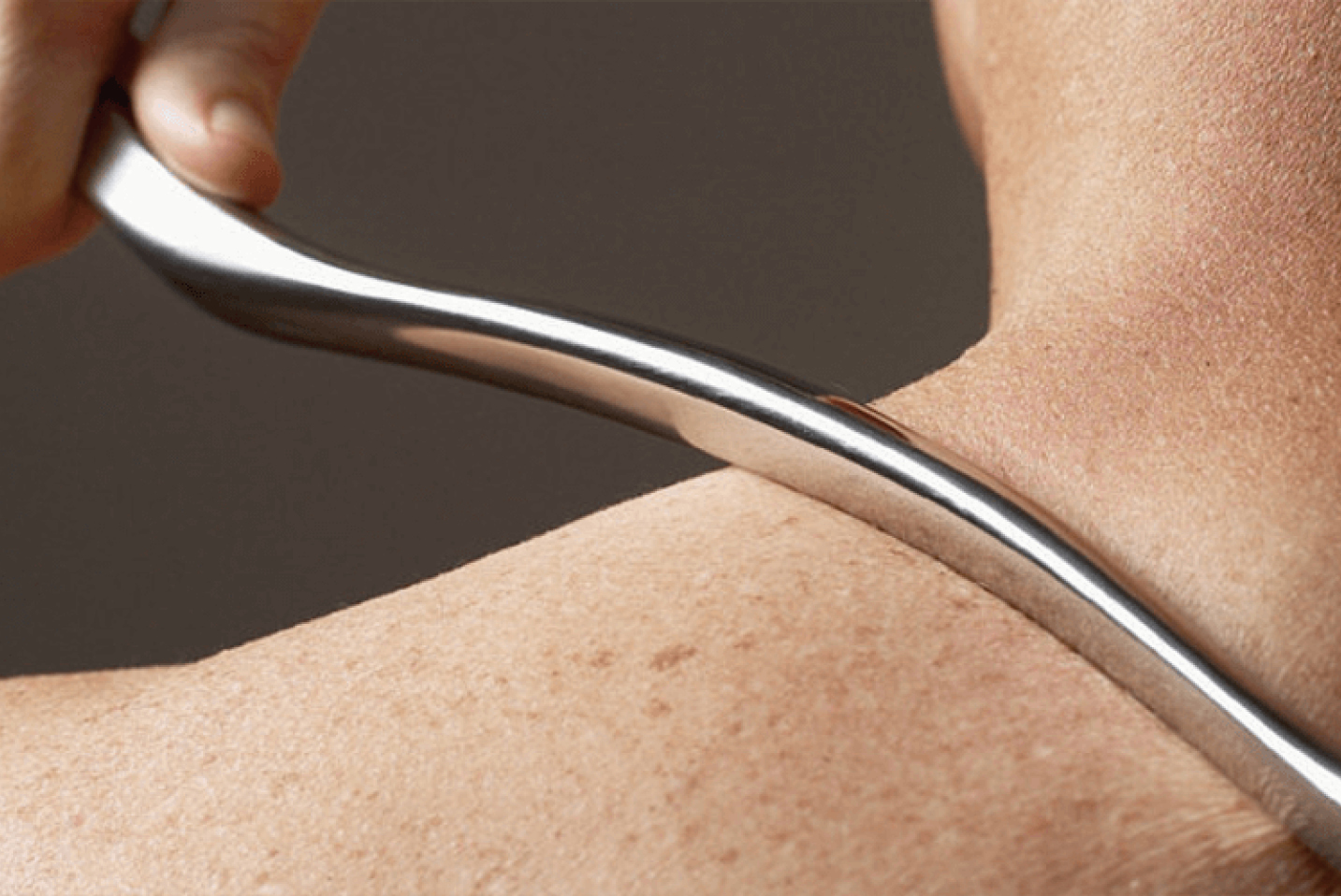
Instrument-assisted techniques use a small handheld device to deliver a precise, low-force impulse to targeted areas of the spine. This method may be used when a gentler approach is considered appropriate or when manual manipulation is not suitable.
Instrument-assisted manipulation allows for controlled force application and may be integrated into broader chiropractic care plans that focus on movement support and functional improvement.
Regional Spinal Manipulation
Spinal manipulation may be applied to different regions of the spine, including the cervical (neck), thoracic (mid-back), or lumbar (lower back) areas. The selection of region is guided by assessment findings rather than symptoms alone.
Practitioners consider how different spinal regions contribute to overall movement patterns, posture, and functional activity.

Potential Benefits of Back Manipulation
Research suggests that spinal manipulation may provide short-term benefit for some people with certain types of back pain, particularly when used as part of a multimodal approach that includes education, exercise, and self-management strategies.
Potential benefits may include:
- Temporary reduction in pain or discomfort
- Improved spinal or joint mobility
- Increased confidence in movement
- Support for participation in rehabilitation or exercise programs
Clinical guidelines in Australia and internationally often recognise spinal manipulation as one of several conservative care options for non-specific low back pain. It is not considered a stand-alone solution and is generally most effective when combined with active care.
Is Back Manipulation Safe?
When performed by a registered and appropriately trained chiropractor, back manipulation (also known as spinal manipulation) is generally considered safe for many individuals. Chiropractors in Australia are regulated by AHPRA and follow professional standards that emphasise patient safety, informed consent, and evidence-based practice. As with any physical healthcare approach, suitability varies from person to person and depends on a thorough assessment and clinical judgement.
Most side effects associated with back manipulation are mild and short-term, such as temporary muscle soreness or stiffness. Spinal manipulation is not suitable for everyone, which is why chiropractors assess health history, risk factors, and individual needs before recommending any manual therapy. Back manipulation is typically used as part of a broader, supportive care approach that may include education, movement advice, and lifestyle guidance, rather than as a stand-alone or guaranteed solution.
Risks and Side Effects of Back Manipulation
Like all healthcare interventions, spinal manipulation carries some risk, although serious complications are considered rare when appropriate screening and clinical judgement are applied.
Possible side effects may include:
- Temporary muscle soreness
- Mild headache or fatigue
- Short-term stiffness
Rare but more serious adverse events have been reported in the literature, particularly when manipulation is performed inappropriately or in individuals with underlying conditions that make the technique unsuitable.
This is why professional assessment and honest disclosure of medical history are essential before commencing care.
Who Should Avoid Back Manipulation?
Although back manipulation or spinal manipulation can be suitable for many people, it is not appropriate for everyone. The safety and suitability of this type of care depend on a thorough individual assessment, overall health, and medical history. The following outlines the groups who may be advised to avoid spinal manipulation, delay it, or have it modified:
Individuals with Recent or Significant Spinal Trauma
People who have recently experienced a fall, car accident, or sports injury may have fractures or spinal instability. In such cases, spinal manipulation may not be appropriate until a full medical evaluation or imaging has been conducted.
Those with Severe Osteoporosis or Compromised Bone Strength
Severe bone density loss increases the risk of fractures when mechanical force is applied to the spine. These patients are usually managed with gentler techniques or alternative supportive therapies.
People with Active Inflammatory Conditions or Systemic Illness
Conditions such as active inflammatory arthritis or infections can make the joints and surrounding tissues more vulnerable. Spinal manipulation may be postponed until the underlying condition is under control.
Individuals with Spinal Tumours or Malignancy
If a tumour in the spine is present or suspected, spinal manipulation is generally avoided to prevent risk. Priority is given to medical management and specialist care in these cases.
Those with Progressive Neurological Symptoms
Worsening numbness, weakness, or balance problems may indicate nerve compression or other serious conditions. Spinal manipulation is usually delayed until a full neurological assessment has been completed.
People with Certain Vascular or Connective Tissue Conditions
Some vascular disorders or connective tissue diseases may increase the risk associated with spinal manipulation. Chiropractors carefully review medical history to determine whether treatment should be modified or avoided.
Individuals Experiencing Severe or Unexplained Pain
Sudden or unexplained severe pain may require further investigation before manual therapy. The goal is to ensure there is no underlying medical condition that needs alternative management.
What to Expect During a Back Manipulation Session
A typical back manipulation (or spinal manipulation) session with a registered chiropractor involves a structured and patient-centred approach designed to ensure safety, comfort, and clarity. While each session is tailored to the individual, the following steps provide a general overview of what to expect:
1. Initial Assessment
Your chiropractor will start by discussing your health history, current symptoms, lifestyle, and any previous injuries. This helps them understand your overall wellbeing and identify factors that may influence your care.
2. Physical Examination
A thorough examination may include assessing your posture, spinal mobility, muscle strength, and areas of tenderness. This helps the practitioner determine whether spinal manipulation is appropriate and which techniques may be suitable.
3. Explanation and Consent
Before any manipulation is performed, your chiropractor will explain the findings, the proposed care approach, potential benefits, and possible side effects. You will have the opportunity to ask questions and give informed consent.
4. Manual Therapy
If appropriate, spinal manipulation or other manual techniques may be applied. Techniques vary in force and speed depending on your individual needs, comfort level, and clinical presentation.
5. Advice and Support
After the session, your chiropractor may provide advice on posture, movement, exercises, or lifestyle strategies that support spinal health and overall wellbeing. This guidance is intended to complement the session and help you manage daily activities safely.
The best place for a back manipulation session
If you are looking for a professional and safe environment for back manipulation (spinal manipulation), The Family Wellness Centre is a highly regarded choice in Australia. Their experienced chiropractors provide patient-centred care, beginning with a thorough assessment, clear explanation of options, and personalised treatment plans tailored to each individual’s needs. The centre combines clinical expertise with a holistic approach, supporting spinal health, movement, and overall wellbeing.
At The Family Wellness Centre, spinal manipulation is delivered as part of a broader care strategy, often integrated with postural guidance, gentle mobilisation, exercise advice, and lifestyle support. With well-equipped clinics in locations such as Epping (NSW), the team creates a welcoming and supportive environment for people of all ages. Their approach prioritises safety, education, and collaboration, ensuring that every session is appropriate, comfortable, and focused on helping patients achieve their health goals.
FAQ
Does back manipulation hurt?
Most people report minimal discomfort. Some may experience temporary soreness, similar to what can occur after exercise.
How many sessions are needed?
There is no fixed number. Care plans are usually guided by individual response and functional goals rather than predetermined schedules.
Is spinal manipulation suitable for chronic back pain?
For some people, spinal manipulation may form part of a broader management plan for chronic back pain, alongside exercise, education, and lifestyle strategies.
Is back manipulation better than other treatments?
No single approach is considered superior for all people. Treatment decisions should be based on individual needs, preferences, and clinical assessment.
Conclusion
Back manipulation, or spinal manipulation, is a safe and evidence-informed tool when provided by a registered chiropractor as part of a personalised care plan. While it may support improved movement, spinal function, and comfort for many individuals, it works best when integrated with exercise, posture guidance, and lifestyle strategies.
At The Family Wellness Centre, our approach prioritises safety, education, and collaboration, ensuring each session is tailored to your unique needs. By understanding your body, making informed choices, and working together with your chiropractor, you can take an active role in supporting your spinal health and overall well-being.