Expecting a bub? Getting your little one in the right position can make all the difference for a smoother birth experience. At Family Wellness Centre Epping (FWC), we help mums-to-be encourage optimal baby positioning through proven techniques and expert care.
Pregnancy is a time filled with wonder, anticipation, and countless questions about the tiny life growing inside you. As your body changes day by day, it’s natural to become curious about how your baby is positioned, how their movements reflect their development, and whether your daily habits, like how you sleep or sit, can influence their comfort and well-being. Understanding what’s happening inside your womb can bring reassurance, confidence, and a deeper connection to your pregnancy journey.
Learning about optimal baby positioning during pregnancy isn’t just about preparing for birth; it’s about feeling empowered and informed every step of the way. When you understand how and why babies change position, how to recognize signs through movement and kicks, and what supports healthy positioning, you can approach pregnancy with greater calm and clarity. This guide is designed to answer your most important questions, ease common worries, and help you feel more prepared for the weeks leading up to birth.
1. What is Optimal Baby Positioning?
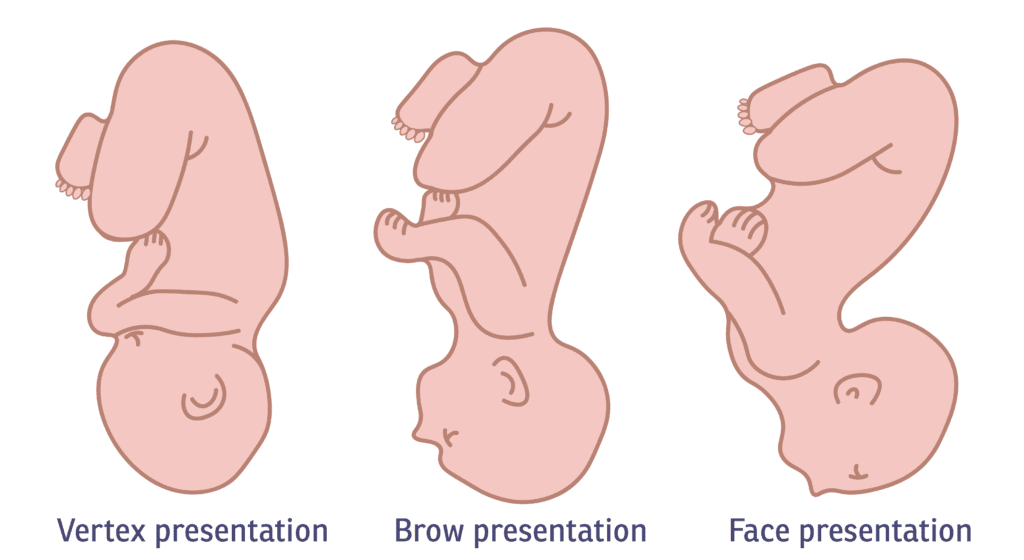
Optimal baby positioning refers to the most favorable position of the baby inside the womb, particularly in preparation for labor and delivery. From a medical standpoint, the ideal position is:
- Head-down (cephalic presentation)
- Facing the mother’s back (anterior position)
- Chin tucked toward the chest
- Baby’s back curved smoothly along the mother’s abdomen
This position allows the baby to move through the pelvis more easily during labor and is associated with shorter, less complicated births.
Why Optimal Baby Positioning Matters
The position of your baby can influence the length and comfort of labor, the likelihood of interventions such as forceps or vacuum delivery, and even whether a cesarean section might be necessary. While babies are active and change positions frequently throughout pregnancy, understanding optimal positioning and taking steps to encourage it during the third trimester can help ensure both mother and baby are prepared for a safer, smoother birth experience.
Staying active during pregnancy can help create space for your baby to move into the best position for birth
Essential Moves:
 Pelvic tilts (3 sets daily) Cat-cow stretches – Improves spinal mobility Birthing ball exercises – Encourages baby’s descent Gentle prenatal yoga – Supports flexibility and posture
Expert Tip:
“Start with 10-15 minutes daily and listen to your body,” advises Dr. Bronte Tukana, our pregnancy specialist.
How Baby Position Changes Throughout Pregnancy
Understanding how your baby moves and changes position during pregnancy can help you feel more connected and prepared. Baby positioning is dynamic and evolves as the baby grows and the space in the womb becomes more limited. Here’s what typically happens across each trimester:
First Trimester (Weeks 1–12)
During the first trimester, your baby is very small and floats freely in the amniotic fluid. Movement is frequent but subtle and often too small to be felt by the mother. These early shifts and rotations are crucial for healthy development, helping the baby strengthen muscles, joints, and the spine. At this stage, the position has no clinical significance, and there’s no need for concern if your baby changes orientation often.
Second Trimester (Weeks 13–27)
In the second trimester, the baby becomes stronger and more active. Kicks, flips, and stretches become noticeable, giving mothers the first tangible signs of movement. Babies may continue to rotate, roll, and even change from head-up (breech) to head-down positions during this period. The extra space allows frequent repositioning, so it’s common to feel movements in various parts of the abdomen.
Third Trimester (Weeks 28–40)
As the third trimester begins, the baby grows larger, and space in the womb decreases. Movement changes from rolling to more targeted pushes and stretches. Most babies gradually settle into a head-down position—also called cephalic presentation—in preparation for labor. This usually occurs between 28 and 34 weeks, although some babies may turn later. By week 36, the majority of babies are in the optimal position, but occasional late movements or flips can still happen.
How to Find Out Baby Position During Pregnancy
Understanding your baby’s position during pregnancy is important for both comfort and preparation for labor. There are medical methods that give precise answers and home-based observations that provide helpful clues.
Medical Ways to Determine Baby Position
1. Ultrasound
Ultrasound is the most reliable method for identifying your baby’s position. It can confirm whether your baby is:
- Head-down (cephalic)
- Breech (bottom first)
- Transverse (sideways)
Most healthcare providers perform a positional ultrasound after 32 weeks, especially if the position is uncertain or if there are concerns about labor planning.
2. Leopold’s Maneuvers
Leopold’s maneuvers are a hands-on examination performed by midwives or doctors. By gently feeling the abdomen, the provider can detect:
- Baby’s head
- Baby’s back
- Baby’s limbs and bottom
This method is safe, non-invasive, and often used in the third trimester to estimate fetal orientation.
3. Fetal Heartbeat Location
The location of your baby’s heartbeat can also give clues:
- Heartbeat low in the abdomen usually indicates head-down
- Heartbeat high in the abdomen may suggest breech
Home-Based Observations
While these methods cannot replace medical assessment, they can provide helpful insights:
- Kick Patterns: Kicks felt high near the ribs often indicate a head-down baby, while kicks low near the pelvis may suggest a breech position.
- Belly Shape and Firmness: A rounded, firm area low in the belly is likely the baby’s head; a smooth curved side may indicate the baby’s back.
Movement Pressure: Rolling or steady pressure in specific areas can help you estimate orientation.
Does Sleeping Position Affect Baby During Pregnancy?
Sleeping position during pregnancy can play a surprisingly important role in both your comfort and your baby’s wellbeing. As your pregnancy progresses, especially after 20 weeks, lying flat on your back may compress major blood vessels and reduce blood flow to the placenta. This can lead to dizziness, shortness of breath, or even decreased oxygen supply to the baby. On the other hand, sleeping on your side, particularly the left side, encourages better circulation, improves placental blood flow, and supports kidney function, making it the recommended position for most expectant mothers.
Many women naturally shift positions during sleep, and that’s completely normal. Using pillows for support—behind your back, between your knees, or under your belly—can help you maintain a comfortable side-sleeping position throughout the night. While it may take some time to adjust, making these changes can provide both safety and comfort, helping you feel more relaxed and connected with your baby while you rest.
Why Sleeping Position Matters
After 20 weeks of pregnancy, lying flat on your back can:
- Lying flat on your back after 20 weeks can compress major blood vessels, reducing blood flow to the placenta.
- Reduced circulation may cause dizziness, low blood pressure, or decreased oxygen for the baby.
- Sleeping on your left side promotes optimal blood flow to the placenta and improves oxygen supply.
- Side-sleeping supports kidney function and helps reduce swelling in legs and feet.
- Proper sleeping position may also help your baby settle into a favorable position for birth
Best Sleeping Position During Pregnancy
Maintaining certain positions during pregnancy can help your baby settle into the optimal head-down, anterior position, which may lead to a smoother labor. While you cannot control every movement, adopting supportive positions can make a difference in the third trimester. Here are the best positions and why they help:
- Upright Sitting: Sitting with your hips higher than your knees encourages your baby to move into the front of your pelvis. Avoid slouching, and consider using a firm chair or birth ball for better posture.
- Forward-Leaning Positions: Leaning slightly forward while resting on your hands and knees or a couch can help the baby rotate into the anterior position. This is especially useful if your baby is breech or posterior.
- Pelvic Tilts and Rocks: Gentle pelvic tilts or rocking on a birth ball can create more space in the lower uterus, encouraging your baby to move head-down. This also strengthens your core and improves flexibility for labor.
- Avoid Reclining for Long Periods: Lying back for extended periods can push the baby into a posterior or less optimal position. Try to remain upright or side-lying when resting, and change positions frequently.
- Prenatal Exercise and Walking: Regular, gentle movement like walking or prenatal yoga promotes natural shifts in your baby’s position and keeps your body flexible for labor.
By incorporating these positions and movements into your daily routine, you can support your baby’s alignment and improve comfort during pregnancy. Always consult your healthcare provider before starting any new exercise or positional routine.
Can You Help Change a Baby’s Position Naturally?
Many expectant mothers wonder if it’s possible to encourage their baby to move into the optimal head-down position naturally. While not every baby will turn on command, gentle exercises, specific positions, and mindful daily habits can help create space for the baby to shift. For expert guidance and safe, practical techniques, the Family Wellness Centre provides helpful resources and tips on supporting optimal baby positioning:
Some effective natural strategies include:
- Daily Upright Movement: Walking or standing with good posture encourages gravity to guide the baby toward a head-down position.
- Pelvic Tilts and Gentle Rocking: Using a birth ball or doing pelvic tilts helps create motion in the lower uterus, supporting baby rotation.
- Forward-Leaning Positions: Resting on hands and knees or leaning slightly forward can encourage the baby’s back to rotate toward your belly.
- Prenatal Yoga and Stretching: Gentle prenatal exercises improve pelvic mobility and flexibility, which may help the baby settle into a favorable position.
Always remember to consult your healthcare provider before starting any new exercises or routines, especially if your baby is in a breech or unusual position. Combining professional guidance with safe natural techniques can support both your comfort and your baby’s optimal positioning.
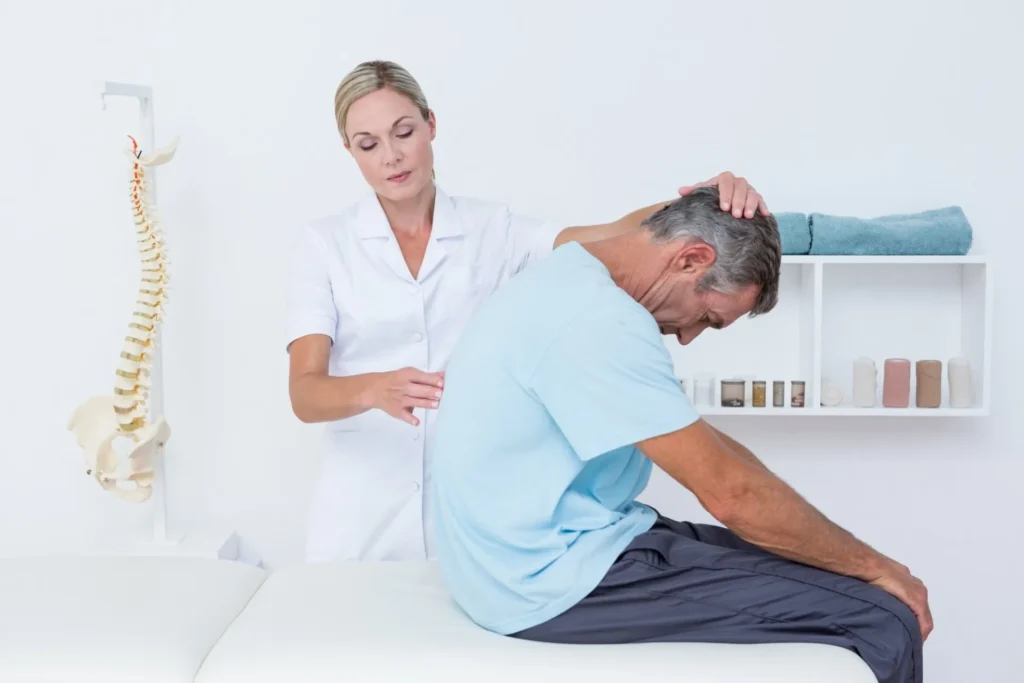
2. Professional Chiropractic Care
Seeing a prenatal chiropractor can make a significant difference in baby positioning by ensuring proper pelvic alignment.
Benefits of Chiropractic Care:
Aligns pelvis and spine Creates optimal space for baby Reduces pelvic pressure Promotes natural positioning
At FWC, our team specializes in gentle, pregnancy-safe techniques to keep mum and baby comfortable.
3. Spend Time in Forward-Leaning Positions
Encouraging baby’s head to engage in the pelvis can be as simple as adjusting your posture throughout the day.
Recommended Positions:
Sitting upright or slightly forward – Avoid reclining Kneeling on all fours – Helps baby rotate Using a birthing ball – Opens the pelvis naturally
 Avoid slouching as it may encourage a posterior baby position.
4. Techniques to Enhance the Baby’s Position
Some hands-on techniques can help encourage optimal fetal positioning naturally.
Popular Techniques:
 Rebozo Sifting – Uses a scarf for gentle belly rocking Webster Technique – Performed by chiropractors to align the pelvis Spinning Babies® Exercises – Special movements for baby rotation
At FWC, we incorporate evidence-based methods to support ideal baby positioning.
5. Maintain Good Posture Throughout Pregnancy
Sitting, standing, and sleeping positions all affect baby alignment.
Best Practices for Good Posture:
Sitting: Use lumbar support, keep feet flat, and avoid deep reclines Standing: Distribute weight evenly, avoid locking knees Sleeping: Lie on your left side with a pregnancy pillow
Posture awareness can help prevent posterior positioning and ensure a smoother delivery.
Benefits of Optimal Baby Positioning
Encouraging proper fetal alignment can lead to:
Easier labour with fewer complications Reduced risk of C-section or interventions Less pelvic and lower back pain Better postpartum recovery
At FWC, we focus on natural, proactive techniques to support a positive birthing experience.
Ready to Optimize Your Baby’s Position?
 Call Us Today: 0290115380
 Book Online: CLICK HERE
Family Wellness Centre Epping is here to help you feel empowered and prepared for a smoother birth journey.
FAQS:
Does Baby Position Affect Labor?
Yes. Head-down (anterior) babies usually lead to shorter, easier labor. Breech or posterior positions may cause longer labor or require interventions.
Can Baby Turn at the Last Minute?
Yes, some babies turn even during early labor, though major changes are less common after 36 weeks.
How Late Can Baby Change Position?
Most babies settle between 28–36 weeks, but some may turn later. Factors like amniotic fluid and maternal activity can influence movement.
How Can I Tell Baby’s Position by Kicks?
- High kicks near ribs → head-down
- Low kicks near pelvis → breech
- Strong kicks on one side → legs; smooth side → back
Kick patterns are clues, not a replacement for medical confirmation.
What If My Baby Is Breech Late in Pregnancy?
Your doctor may suggest:
- External Cephalic Version (ECV)
- Planned cesarean delivery
- Rare, carefully managed vaginal breech birth
Is Posterior (Back-to-Back) Position Dangerous?
Usually safe, but can cause longer labor, back pain, or the need for assisted delivery. Certain maternal positions and movements may help rotation.
How Do I Find Out Baby’s Position at Home?
Kick patterns, belly shape, and pressure can provide clues, but the most reliable ways are:
- Ultrasound
- Leopold’s maneuvers by a healthcare provider
Conclusion
Understanding your baby’s position during pregnancy is more than just curiosity—it’s a way to connect with your baby, feel confident, and prepare for a smoother labor. From recognizing movement patterns and kicks to adopting supportive sleeping and daily positions, there are many ways you can observe and encourage optimal baby positioning. While some factors are naturally beyond your control, knowledge and mindful practices empower you to take an active role in your pregnancy journey.
Remember, every pregnancy is unique, and babies may change positions multiple times before settling. Regular prenatal check-ups, professional guidance, and gentle exercises can help you stay informed and reassured. By paying attention to your body, tracking movements, and using safe techniques, you can promote both your comfort and your baby’s wellbeing. Embrace this journey with confidence, knowing that understanding and supporting your baby’s position is a step toward a healthier, more comfortable, and empowered birth experience.